“There is more to life than increasing its speed.”
-Mahatma Gandhi
When I began travel pet- and house-sitting in 2021, initially I was mostly doing sits of about 3-5 days or no more than a week. I still had an apartment and I got nervous if I strayed from it for too long – imagine returning home after several weeks away only to discover that a pipe burst in the basement and all of your possessions in storage were damaged, or a leak had sprung in the roof over your office, or that your place was broken into and the door was left ajar?!
Being tethered to Pittsburgh by way of that apartment didn’t last too long, though. Once I was able to fill my sitting schedule for a full three months ahead, I felt secure enough to give up having a permanent residence of my own and commit wholeheartedly to life on the road. This shift brought about many new experiences and changes in perspective, including a newfound love for slow tourism.
Slow Tourism Defined
Like most adjectives, “slow” is a subjective term that means different things to different people. But the general gist of it in regard to tourism is that you:
- Aren’t cramming in a million destinations within a single trip
- Spend enough time in a locale to immerse yourself in it
- Don’t just plan for activities that encompass the top attractions and most well-known features of a geography
- Get a chance to take in the culture, history, food, and lifestyle more closely to how residents experience living in the area
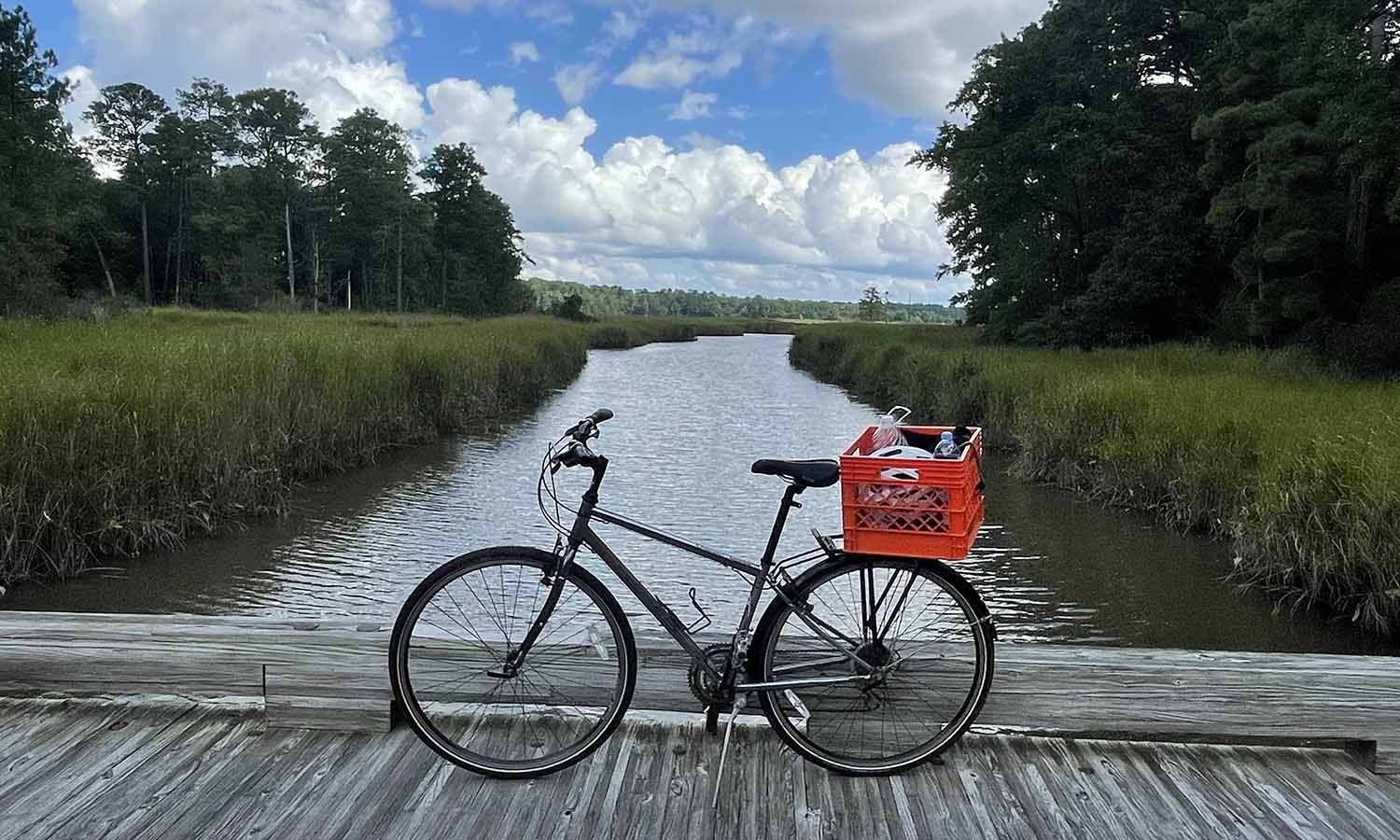
- Take the opportunity to enlist slower modes of transit to explore, e.g., bikes, rollerblades, canoes, and kayaks
- Support locally-owned businesses
“Slow tourism is characterized by reducing mobility and by taking time to explore local history and culture, while supporting the environment. The traveler’s main goals are relaxation, self-reflection, escape, novelty seeking, engagement and discovery.”
Journal of Travel Research
Benefits of Slow Tourism
There are a multitude of benefits related to slow tourism, including:
- Its great potential to impact and strengthen local economies beyond popular tourist traps and resorts
- The possibility of decreased carbon emissions thanks to fewer flights and increased use of modes of transit that don’t rely on fossil fuels
- Avoiding the exhaustion that weary travelers often feel following a trip
- Saving money by interspersing cheap and/or free activities among the bigger experiences, tours, activities, etc
- A mindful presence that allows travelers to more authentically connect with a destination – and with themselves
- Gaining a deeper understanding of and appreciation for the history and culture of a new place
- More opportunities to meet and interact with local folks
Becoming a Slow Tourist
Before becoming a nomadic pet- and house-sitter, I was someone who certainly wanted to experience as much as possible while vacationing. Although I appreciated leaving some free time in the schedule for unstructured and unplanned activities, my mentality was certainly one of go, go, go! I was also open to checking out destinations that were lesser-known, but even in those cases, my itinerary and pace were aggressive. And the amount of physical exertion entailed in my many must-do hikes, bike rides, and walks often left my body sore and depleted rather than energized.
How many times have you returned from a trip saying:
“I need a vacation from my vacation.”
Without my lifestyle shift to constantly being on the road as a nomad, I’m not sure that I would have slowed down enough to see the benefits of another way to travel. But once I was constantly in new places, the reality emerged that I couldn’t always be in “Explorer” mode. Being a perpetual motion machine everywhere I went for the first several months was exhausting, expensive, and didn’t leave enough room for other things in life like working on goals, self-care, and rest.
So, I slowed down. I began to take days off of adventuring and stayed in more. I made fewer plans with the exception of select experiences that mattered the most to me. Instead of a full calendar or schedule laid out, I had a list of options. I lingered longer in places I visited and enjoyed them more. I relaxed in coffee shops and had leisurely breakfasts at diners that allowed me to chat with many folks I otherwise would not have met.
Slow tourism isn’t possible for everyone. It’s far more accessible to folks with generous employers that extend oodles of vacation time or self-employed people who can flex their schedules. But there are a growing number of folks like me who can take their jobs with them and mix work and pleasure. Even for people who can only take a long weekend or a single week away, there are ways that you can introduce slow tourism concepts, such as:
- Not scheduling multiple destinations within a single trip
- Taking a train instead of flying
- Leaving the car behind and taking a cycling trip
- Avoiding fast food
- Eating at local eateries instead of chain restaurants
- Booking accommodations with kitchens so you can cook some meals on your own
- Not using alarm clocks
- Turning off your phone for extended periods
- Bringing along a book and finding a quiet place to read it
- Making only a few plans and leaving more time unstructured
- Checking Facebook and Eventbrite for community events
- Asking locals what you should do while you’re in town
- Taking the time to chat with people you encounter
- Planning a volunteer shift at a local nonprofit
In this hectic world that seems to move faster and faster all the time, I invite you to consider slowing down the next time you have the chance to get out and roam!
“Anything worth doing is worth doing slowly.”
-Mae West
 hezhub.com