
When I became a home-free traveling house- and pet-sitter in 2021, I sold, donated, and gave away most of the stuff that outfitted my apartment. After parting with nearly all of the practical accouterments one needs to outfit a residence, I discovered some unique challenges, needs, and desires of my current lifestyle that vary from the beforetimes. What follows are some of the indispensable accessories that help this atypical life be more viable and/or comfortable for me.
Planet Fitness Black Card: The cost of the Black Card membership that gives you access to every Planet Fitness nationwide is only $24.99 per month (+ an annual fee of $49) and I have found it to be well worth the investment. The ability to maintain a fitness regimen on the road is important in and of itself, especially as aches, pains, and stiffness arise from all of the car/driving time. But it’s also invaluable to have regular access to a hot shower and I’m obsessed with their hydromassages and massage chairs.
On long drives, I may stop at up to as many as three of their gyms in a single day, with some of those visits being just to stretch and grab a massage before hopping back on the road. Their growing number of locations are often in convenient proximity to major highways, making these pitstops possible without adding any or much time/mileage.
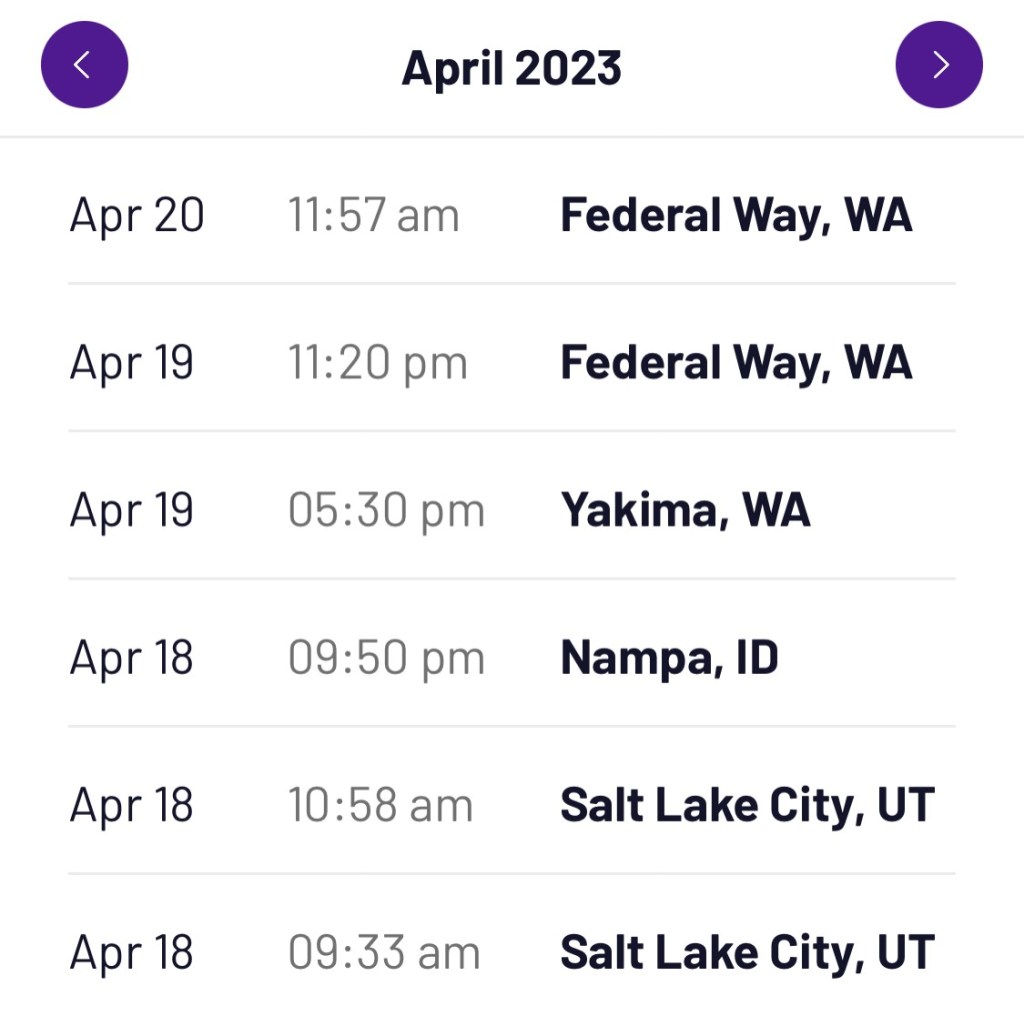
*Disclaimer: No, I’m not sponsored by PF in any way – though they’re welcome to pay me if they’d like! – but if you are considering becoming a member, do me a solid and use my referral code so you get a better deal and I get a lil’ perk!
Shower Caddy and Flip Flops: This combo takes me back to my college dorm days! These are both must-haves if you plan to use public showers unless you enjoy ringworm, Athlete’s foot, MRSA, staph infections, etc. No matter how often they’re cleaned, it isn’t worth taking the chance of going barefoot or setting your toiletries down directly on any surface.
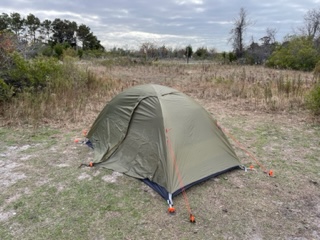
Tent: When I have gaps for a night or two in between housesits, I typically sleep in the car. But anything longer than that and I will seek out cheap camping opportunities. Putting up a tent by myself seemed super intimidating, but a friend offered reassurance that this one from REI was pretty simple and it was reasonably priced so I took my chances. My first time pitching was in sand so I also had to buy some special stakes that are longer and screw in. I’m happy to report that it withstood two rainy, windy nights on Assateague Island just fine!
Air Mattress: Maybe in my younger years, I could have slept in the car without one. But as someone who survived several years of rehabbing my back following being hit by a bus, and who is now forty, I can’t imagine going even a single night sleeping in the car or tent without an air mattress. You don’t necessarily need an expensive one or the kind that requires an air pump. I got this one from REI that a friend recommended and it works great, especially if I put my yoga mat beneath it.
Sleeping Bag: When I started out as a nomad, I traveled with regular bedding. In the right weather, this worked fine for sleeping in the car. But once I experienced humid conditions, colder temperatures, and tent camping, I realized the shortcomings. Even with a sleeping bag, you may have to deal with moisture issues caused by morning dew, condensation, or sweat, but these are much more easily addressed with the materials that comprise a sleeping bag than a comforter. Sleeping bags also provide another layer of cushion for your body and can keep you better insulated in more extreme temperatures. I was fortunate to find a great Coleman bag at a Goodwill for $10 and friends donated a mummy-style one for colder nights, so keep an eye out and ask around before dropping top-dollar on one.
Coolers: Some shelf-stable foods travel better than others, but even dry goods can be impacted by extreme heat in the car. Depending on the conditions you’re traveling in, an insulated bag may do the trick, but I personally store the majority of my food in a hard-shelled cooler.
Note: If you’re going to be camping outdoors and plan to keep food in the tent, be sure to get a cooler that locks to keep wildlife from tampering with it!
Non-leeching Water Receptacles: As I mentioned in a previous post, plastic water bottles can leech chemicals when left in a hot car. I found a few giant stainless-steel canteens at thrift stores that contain enough water to last about four days. I store these in an insulated bag and even in the hottest temps, they’ve kept my water sufficiently cool.
Mobile Outlets: I’m a digital nomad who works from the road, which means I can’t permit my devices to go uncharged for long. I first invested in an outlet that plugs into my car’s auxiliary power outlet (aka, the cigarette lighter), but eventually had to also get a portable power bank that works independently of any power source. Just make sure you check the wattage while you shop around to ensure it meets your needs; I was bummed to discover that while mine will easily charge my devices, it wasn’t sufficient to run an electric kettle or a small electric space heater.
Posture Support Brace: Excessive amounts of driving time is likely to result in poor posture. In turn, this may ultimately lead to pain in any number of body parts, such as your neck, shoulders, back, arms, hips, legs, and feet. A posture support brace can help you be more mindful of your driving position. I don’t wear mine often enough, but do as I say and not as I do!
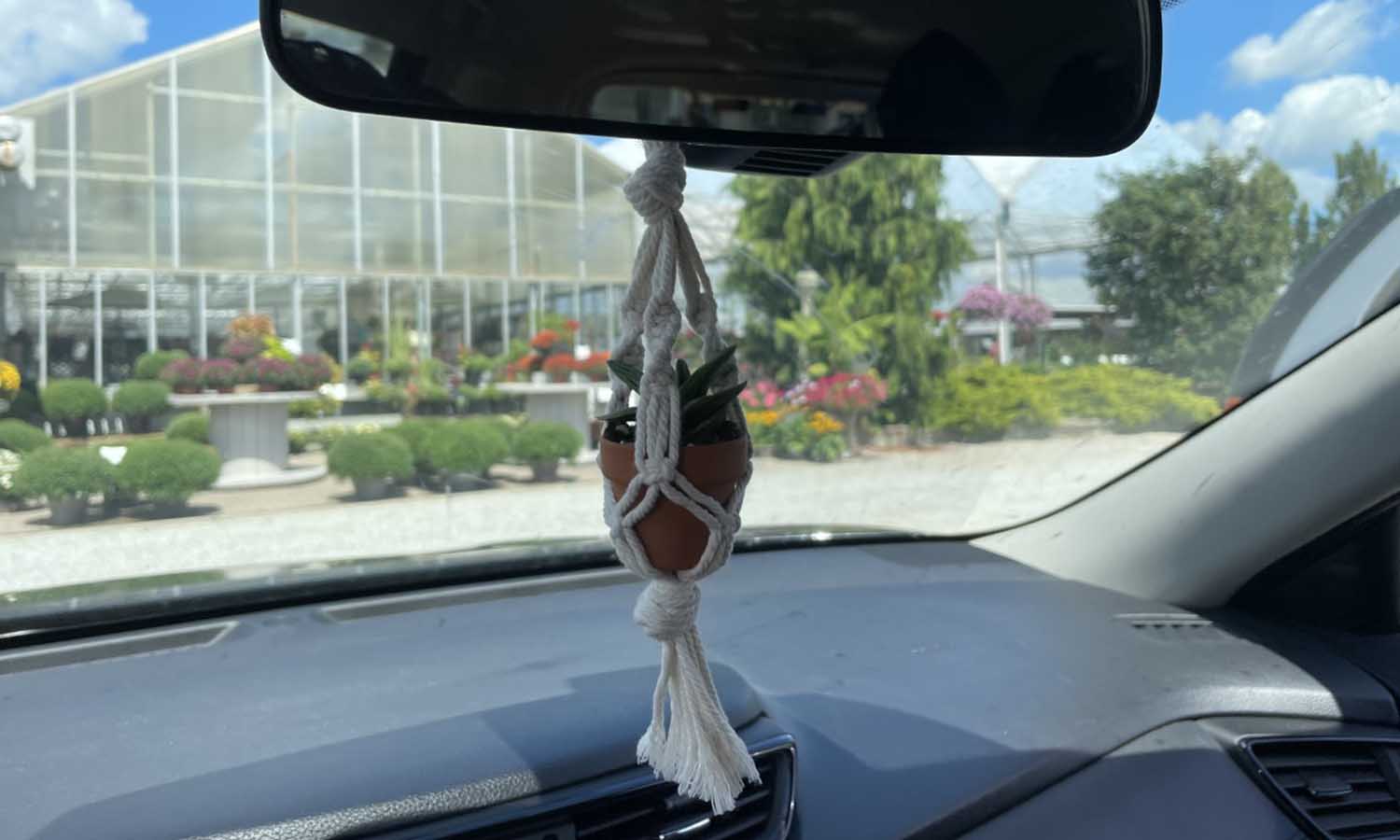
Rearview Mirror Hanging Plant: Research has repeatedly shown that plants are good for your mental and physical health. While the nomadic lifestyle may not be conducive to storing many plants, I was overjoyed to find the adorable macrame plant holder shown as the cover image of this post, which hangs from my rearview mirror, at The Local Coop in Saint Simon’s Island, Georgia. (Sadly, I don’t see this item on their website, but they may sell you one if you contact them to ask. A quick Google search also shows similar items available through Etsy and Amazon.)
It can be tricky to keep plants alive in the car, given all of the variances in sun exposure and temperature changes, but tiny plants are cheap enough that I don’t feel wasteful replacing mine anytime one dies.
 hezhub.com