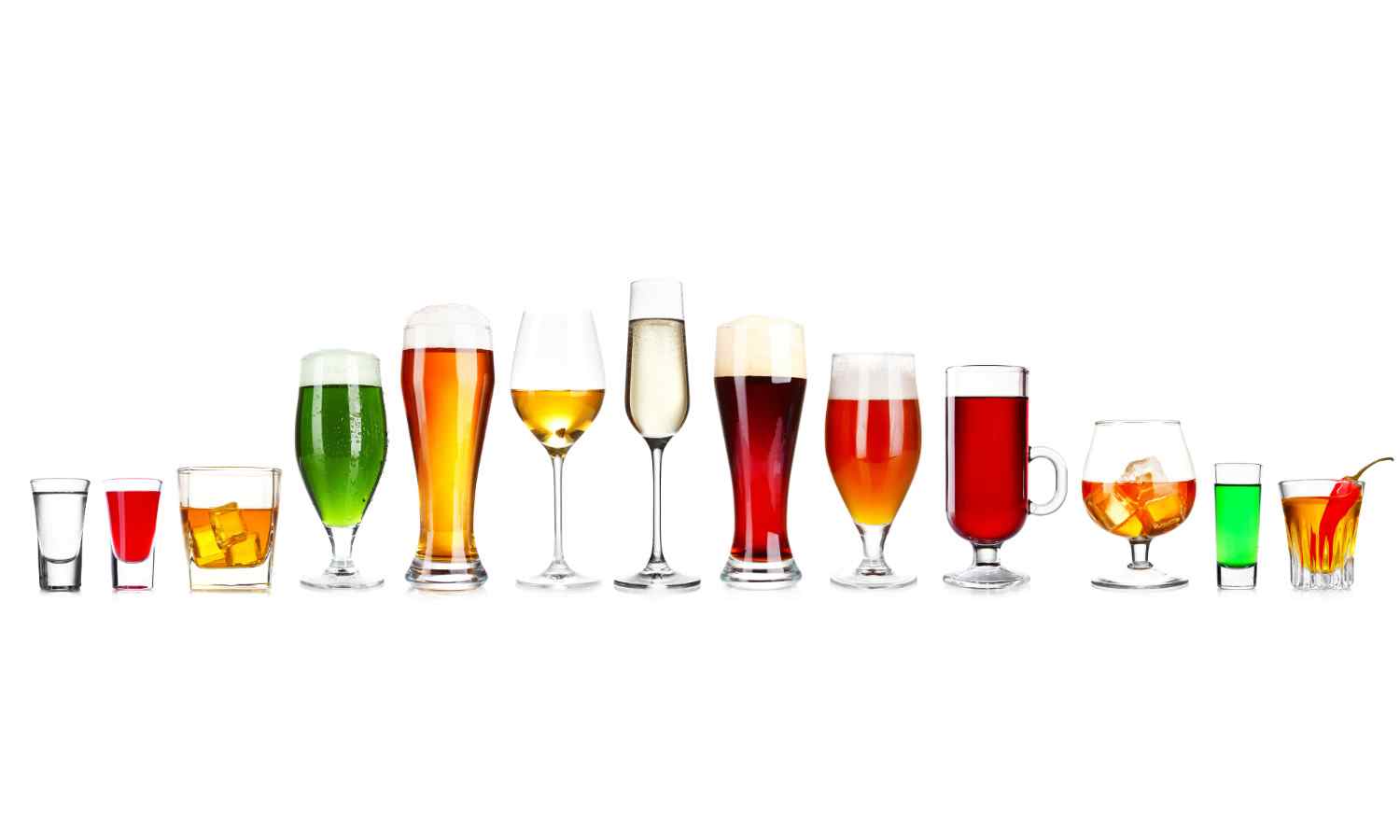
The observation of “Dryuary,” where folks abstain from alcohol for the first month of the year, is becoming increasingly popular. Some people also observe a “Damp February,” where they only drink on weekends. “Moderation March” closes out the trio with the invitation to become less restrictive with alcohol while observing healthy, moderate balance in its reintroduction.
Moderation has never been a strong suit of mine with any vice. I was an overweight kid with a soda addiction and an insatiable sweet tooth. When I began smoking cigarettes as a teenager, my intake escalated quickly, and I found myself with a pack-a-day habit less than three months in. I was a late adopter of smartphones and social media, but like most Americans, I struggled with absurd amounts of screen time once I found my way to this chapter of the digital age.
Many neurodivergents face more significant challenges with moderating behaviors such as these. This is partly because of the impulse control and executive function required to manage the actions we take throughout the day. It’s also related to the little boosts of dopamine that our brains crave, which we briefly receive from these activities. It’s not uncommon for self-medicating to be a factor as well, especially for those who were late-diagnosed and didn’t realize that’s what we were doing.
With this in mind, I shouldn’t be surprised that I wound up struggling with maintaining a healthy relationship with alcohol in my late 30s and early 40s. Still, there is an absurdity to my slip-slide into anything resembling a drinking problem, because the truth is that I hate alcohol. The taste is so disgusting to me that the only thing I could tolerate enough to drink was vodka partnered with a sweet and sugary drink to cover the flavor. Any other liquors could only be consumed with my nose plugged – I am not kidding. And forget about wine or beer, yuck!
Given my dislike of the flavor, it took quite a while before I got into drinking at all. But once I discovered a tolerance for swigging down vodka with cranberry juice, Coke, or root beer, it didn’t take long before I found enjoyment in being tipsy and/or drunk, even if I never learned to savor the process of getting there.
For nearly a decade, I was an infrequent drinker who only imbibed at shows or major social occasions. In my mid-thirties, though, things began to change. I started to become the “drinks with dinner” drinker. And the “had a bad day” drinker. Also, the “had a good day” drinker. As well as the “hooray, it’s the weekend” drinker. And even the “cleaning the house is boring, I may as well get drunk to do it” drinker.
Unlike people who like the taste of beer, wine, or a cocktail, I strictly drank for the buzz, so I rarely stopped at one or two cocktails. I wouldn’t even bother to drink unless I was planning to have three or four. But at least during this initial foray of introducing drinking into more activities and situations, I was typically still under five at max.
Things began to shift in my late thirties. In September 2019, I found myself unexpectedly unemployed; the stress of that, coupled with pursuing my master’s and other life matters, apparently made me eager to escape by way of the bottle. Someone close to me called me out for the troubling trend at the time, but I thought of all the folks I knew who drank more and more often and grew defensive instead. After all, I’d never really been a drinker, so it was easy to insist I didn’t have an issue when the behavior was still well within the realm of lifestyles I’d seen modeled by so many others who I didn’t think of as having a drinking problem.
Eventually, though, a few months into the pandemic, it became apparent to me that I did not have a healthy relationship with alcohol. Like many folks during COVID, I began drinking more frequently. As a result, my tolerance increased, so then my 4-5 drinks became more like 6-8. This meant I was having anywhere between 12-24 drinks per week.
I began having more and more hangovers, some of which disrupted workdays – I remember one day, in particular, having to do a Zoom meeting off-camera with a trash can at my feet that I periodically puked into. Another day, I slept the ick feelings away while periodically checking Slack and email from bed to ensure I wasn’t missing anything important.
Fortunately, I never lost control to the point of harming myself or ruining relationships like many others have experienced. I was mostly a solo drinker, especially during quarantine, so most people in my life weren’t even aware of the uptick in my consumption. Even I wasn’t aware of how alarming my drinking rates really were until a random part-time job of mine offered an unintended major wake-up call.
I have a side gig as a standardized patient (SP) at two medical schools. SPs depict real symptoms and interactions with medical students and then offer feedback about the interpersonal aspects of the encounter. One semester, I worked with two classes in which I depicted patients at high risk for Alcohol Use Disorder (AUD). Neither patient realized they were binge drinking according to current consumption guidelines, so acting surprised by the news was the first reaction portrayed. Then, depending on the skill level of the learner sharing this news, I was supposed to become offended if anything in the interaction caused me to feel lectured to, judged, or criticized. The thing is, I didn’t have to dig deep into my acting chops to portray these characters, because both women actually drank less than I did at the time.
Once I investigated the drinking guidelines, I was astounded to learn how modest healthy intake was considered to be.


According to a national survey, 14.1 million adults ages 18 and older (5.6% of this age group) had AUD in 2019. Among youth, an estimated 414,000 adolescents ages 12–17 (1.7% of this age group) had AUD during this timeframe. Given trends during COVID, I suspect these numbers have increased significantly in the years since.
Most troubling of all, nearly 80% of people with AUD never seek treatment. Fortunately, I was not in the majority – instead, I took the time to investigate my relationship with alcohol and make significant changes. It was hardly a linear path to success. Even today, I move through life with the sense that if I choose to drink, I will probably always have to be diligent in monitoring my consumption and mindset to prevent lapsing back into the harmful behaviors that escalated into unhealthy ways of living.
In the next installments of this series, I will share more about the ways I approached my recovery and some resources you may find helpful if you are also someone who struggles with moderating your alcohol intake, whether periodically or regularly.
 hezhub.com
2 thoughts on “Moderation March (Part 1)”