
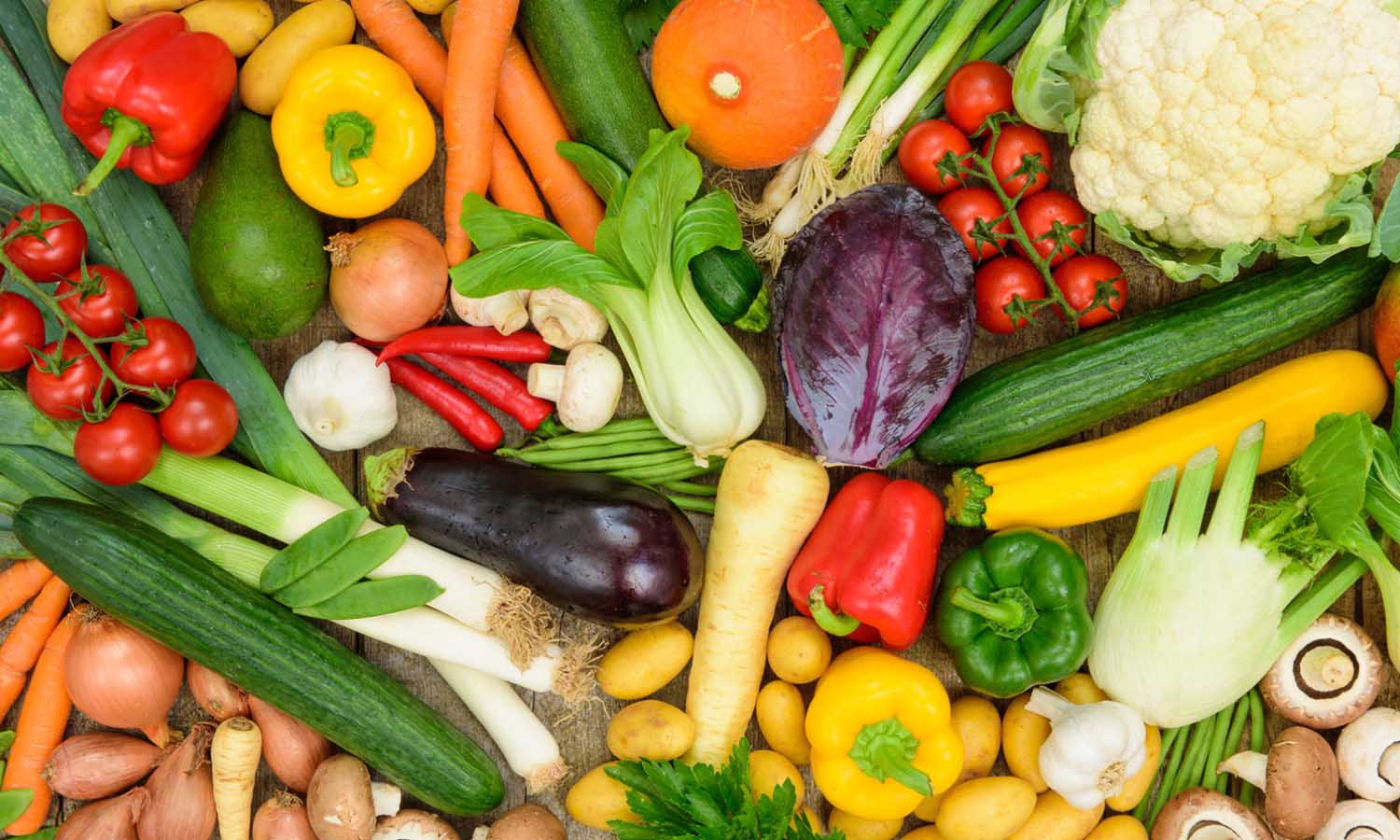
Like many kids, I was an incredibly picky eater. I preferred using plates with separated compartments so different foods didn’t touch each other. For many years, I refused to drink water and told people I was “allergic” to it. I only liked a handful of fruits and vegetables, which became a problem when I began going vegetarian in my teens – talk about a freaking carbivore!
In my twenties, I didn’t work much at broadening my palate, though I did learn how to cook a bit more and discovered I liked zucchini, squash, and asparagus. Throughout my early thirties, I expanded my fruit appreciation. This was largely thanks to my ex, who knew the cuteness of starfruit would appeal to me, insisted if I liked strawberries then I had to like kiwi, plus occasionally brought random fruits like plums, apricots, and pineapple to add to our “fruit parties,” as I referred to our nightly snack.
Some notable wins most recently include turning my loathing of cucumbers, tomatoes, and sweet potatoes into first tolerance and eventually an appreciation. And over the past few years, I’ve vastly improved in my willingness to try new dishes and trust the judgment of chefs who piece together ingredients in ways I’d never dream of and may feel skeptical of.
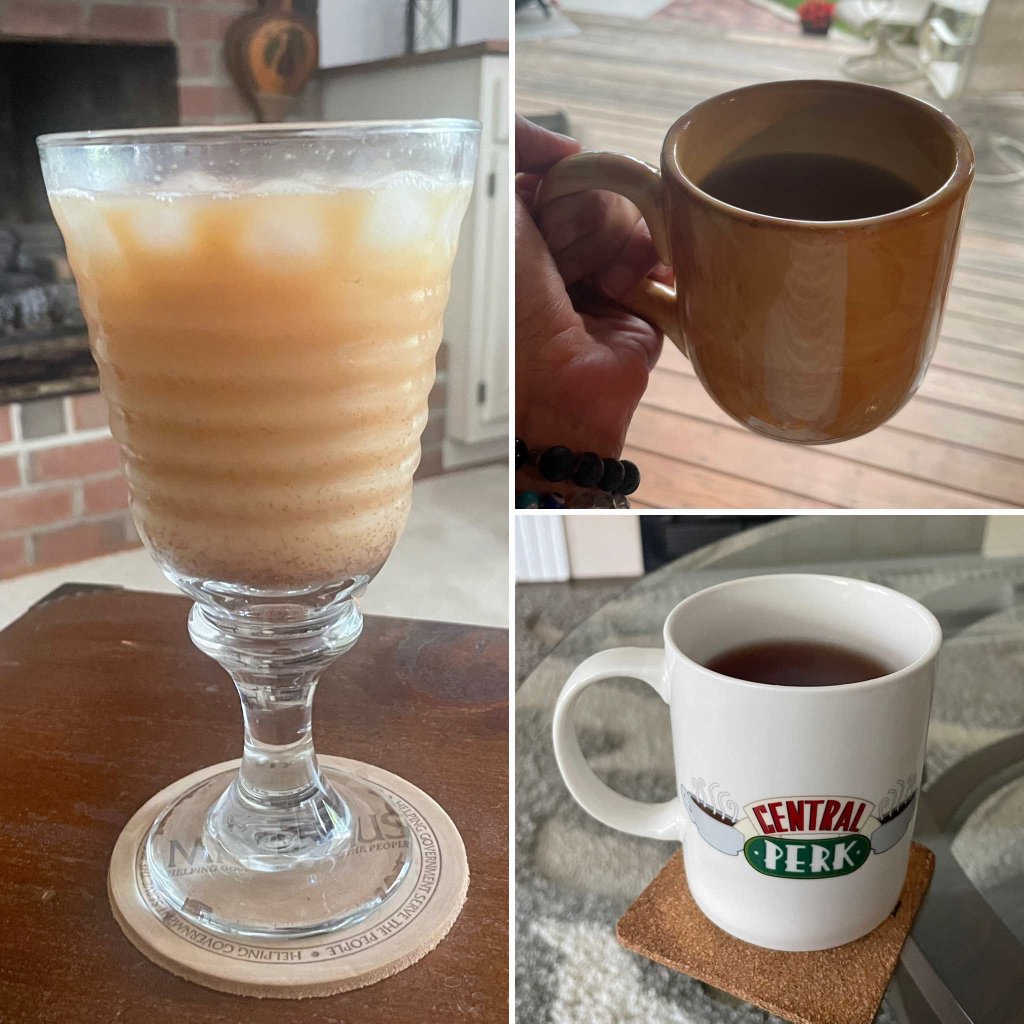
I’m especially proud to have finally developed a taste for tea! Years working in the coffee biz prompted me to try the beverage known as “Comfort in a Cup” time and again as I had regular access to countless varieties and became more familiar with the many health benefits. But I couldn’t get through more than a few sips without my whole face involuntary scrunching up; it was just not for me.
Reflecting on this transformation recently, I wondered many things: What changed? Why can I now enjoy things I used to hate? Does it benefit me to finally eat more foods? Read on for some information that I learned while looking into these questions plus some tips to try expanding your own palate.
Fun Facts
- Many factors influence how you taste. Some aren’t that surprising, like age, medications you’re taking, and whether you smoke or drink coffee. But others I wouldn’t have suspected: gender, diet, general health, hormones, and taste receptor genes.
- Research in the 90s categorized folks as either super-tasters, medium-tasters, or non-tasters. It turns out that super-tasters are extra sensitive to a bitter chemical found in many foods (6-n-propylthiouracil), which they find off-putting. Roughly 25% of other Western eaters don’t even perceive of this chemical and the remaining 50% don’t mind it.
- Our tastes arise early in life – in fact, some even develop while we’re still in the womb!
- The phase of childhood when children dislike unfamiliar things – including new foods – is called the neophobic period. We may develop aversions for years or even a lifetime to foods introduced during this part of life.
- It’s not only fun to eat a wide variety of foods – it’s healthier too! The more diverse your diet is, the happier the bacteria in your gut are, which supports effective digestion and better health overall.
“To keep the body in good health is a duty… otherwise we shall not be able to keep our mind strong and clear.”
Buddha
You Can Do It Too!
I didn’t become a less picky eater by accident. It took a spirit of exploration to try new things, motivation to have a healthier diet, and a willingness to revisit things I’d disliked in the past. Here are some other tips I found that may help you in broadening your palate:
- Repeatedly trying a food increases the likelihood of enjoying it. Even if you hated it the first time, exposing yourself to something upwards of 15 times will typically change your perspective. This was definitely true for my effort to accept cucumbers into my life and acclimate to drinking tea in place of coffee.
- Preparing the food in different ways may help. I love raw carrots but steamed carrots are a mushy, gross abomination to me still. Perhaps you hate raw broccoli but may discover you enjoy it roasted.
- Try the food with other things you like. For example, if you hate mushrooms, don’t torture yourself by sitting down and eating them plain. Start mixing them into soups, omelets, and other dishes you enjoy. And incorporate other dishes into the meal that you know you enjoy so you can still have a pleasurable experience eating even if one part is challenging you.
- The more sugar we eat, the more sugar we crave. The more sugar we crave, the less satisfied we are with subtler flavors. Beginning to cut back your sugar intake can help to retrain your taste buds – plus it’ll greatly improve your health!
- Have someone give you foods to eat blindfolded and check what you can taste against the ingredient list. This will also help folks who are often turned off from new foods based on their appearance.
- Try googling “recipes for people who hate (whatever the thing is you dislike)” and commit to trying a few of the options you discover.
- Try new foods or revisit loathed ones by yourself or with someone who isn’t judgmental. The last thing you need is to develop even more aversion to something because someone made fun of your reaction to eating it!
Learn More
Want to read more about expanding your palate? Here are a few articles you may enjoy:
- BBC: Can You Train Yourself to Like Foods You Hate?
- Bustle: Can You Train Yourself to Like Foods You Hate?
- Good Housekeeping: Your Tastebuds Change as You Age
- Women’s Health: How Often Do Your Taste Buds Change?
- Experience Life: 9 Ways to Expand Your Palate
- Love Your Gut: Diversifying Your Diet
 hezhub.com