
The Joys of Expanding Your Palate

Like many kids, I was an incredibly picky eater. I preferred using plates with separated compartments so different foods didn’t touch each other. For many years, I refused to drink water and told people I was “allergic” to it. I only liked a handful of fruits and vegetables, which became a problem when I began going vegetarian in my teens – talk about a freaking carbivore!

In my twenties, I didn’t work much at broadening my palate, though I did learn how to cook a bit more and discovered I liked zucchini, squash, and asparagus. Throughout my early thirties, I expanded my fruit appreciation. This was largely thanks to my ex, who knew the cuteness of starfruit would appeal to me, insisted if I liked strawberries then I had to like kiwi, plus occasionally brought random fruits like plums, apricots, and pineapple to add to our “fruit parties,” as I referred to our nightly snack.

Some notable wins most recently include turning my loathing of cucumbers, tomatoes, and sweet potatoes into first tolerance and eventually an appreciation. And over the past few years, I’ve vastly improved in my willingness to try new dishes and trust the judgment of chefs who piece together ingredients in ways I’d never dream of and may feel skeptical of.

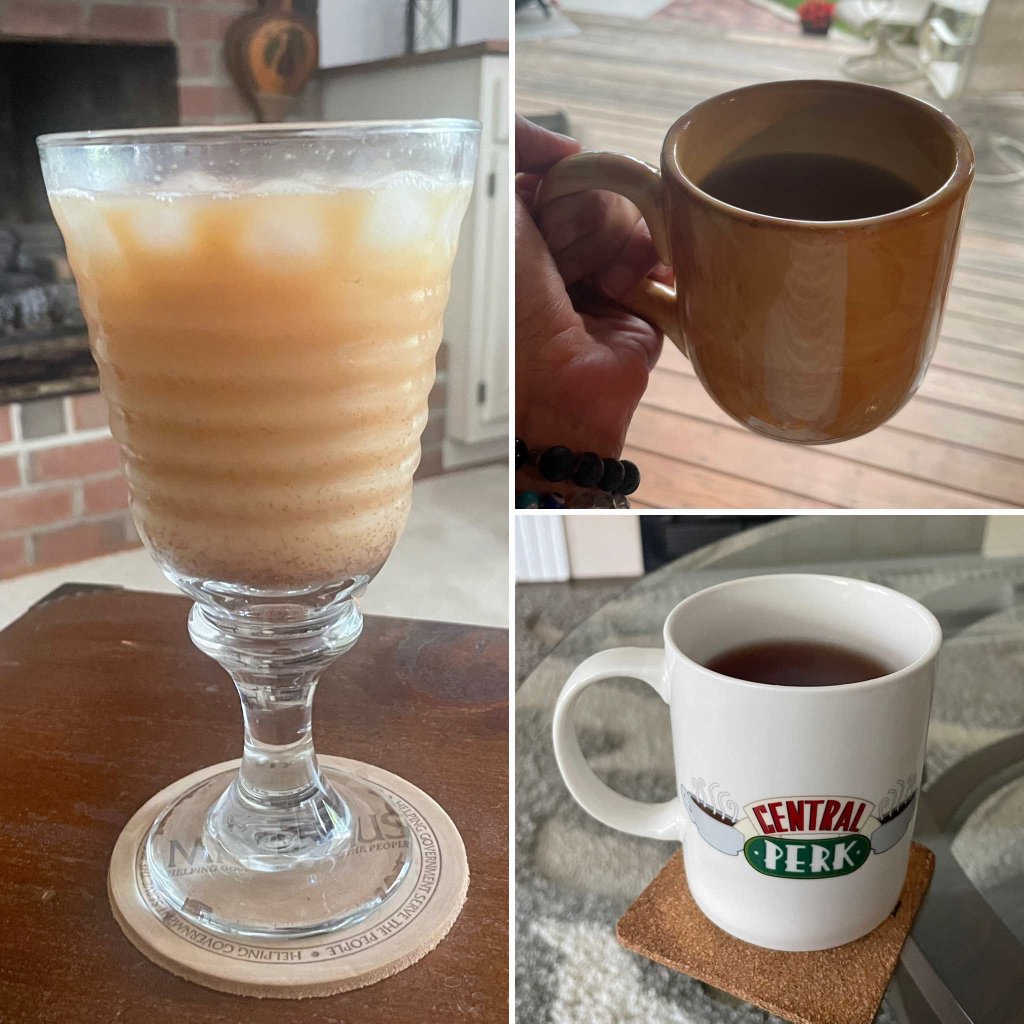
I’m especially proud to have finally developed a taste for tea! Years working in the coffee biz prompted me to try the beverage known as “Comfort in a Cup” time and again as I had regular access to countless varieties and became more familiar with the many health benefits. But I couldn’t get through more than a few sips without my whole face involuntary scrunching up; it was just not for me.

Reflecting on this transformation recently, I wondered many things: What changed? Why can I now enjoy things I used to hate? Does it benefit me to finally eat more foods? Read on for some information that I learned while looking into these questions plus some tips to try expanding your own palate.
Fun Facts

  • Many factors influence how you taste. Some aren’t that surprising, like age, medications you’re taking, and whether you smoke or drink coffee. But others I wouldn’t have suspected: gender, diet, general health, hormones, and taste receptor genes.
  • Research in the 90s categorized folks as either super-tasters, medium-tasters, or non-tasters. It turns out that super-tasters are extra sensitive to a bitter chemical found in many foods (6-n-propylthiouracil), which they find off-putting. Roughly 25% of other Western eaters don’t even perceive of this chemical and the remaining 50% don’t mind it.
  • Our tastes arise early in life – in fact, some even develop while we’re still in the womb!
  • The phase of childhood when children dislike unfamiliar things – including new foods – is called the neophobic period. We may develop aversions for years or even a lifetime to foods introduced during this part of life.
  • It’s not only fun to eat a wide variety of foods – it’s healthier too! The more diverse your diet is, the happier the bacteria in your gut are, which supports effective digestion and better health overall.

“To keep the body in good health is a duty… otherwise we shall not be able to keep our mind strong and clear.”

Buddha

You Can Do It Too!

I didn’t become a less picky eater by accident. It took a spirit of exploration to try new things, motivation to have a healthier diet, and a willingness to revisit things I’d disliked in the past. Here are some other tips I found that may help you in broadening your palate:

  • Repeatedly trying a food increases the likelihood of enjoying it. Even if you hated it the first time, exposing yourself to something upwards of 15 times will typically change your perspective. This was definitely true for my effort to accept cucumbers into my life and acclimate to drinking tea in place of coffee.
  • Preparing the food in different ways may help. I love raw carrots but steamed carrots are a mushy, gross abomination to me still. Perhaps you hate raw broccoli but may discover you enjoy it roasted.
  • Try the food with other things you like. For example, if you hate mushrooms, don’t torture yourself by sitting down and eating them plain. Start mixing them into soups, omelets, and other dishes you enjoy. And incorporate other dishes into the meal that you know you enjoy so you can still have a pleasurable experience eating even if one part is challenging you.
  • The more sugar we eat, the more sugar we crave. The more sugar we crave, the less satisfied we are with subtler flavors. Beginning to cut back your sugar intake can help to retrain your taste buds – plus it’ll greatly improve your health!
  • Have someone give you foods to eat blindfolded and check what you can taste against the ingredient list. This will also help folks who are often turned off from new foods based on their appearance.
  • Try googling “recipes for people who hate (whatever the thing is you dislike)” and commit to trying a few of the options you discover.
  • Try new foods or revisit loathed ones by yourself or with someone who isn’t judgmental. The last thing you need is to develop even more aversion to something because someone made fun of your reaction to eating it!

Learn More

Want to read more about expanding your palate? Here are a few articles you may enjoy:

Travel House- and Pet-sitting FAQ #1

Family, friends, clients, and strangers alike often have many questions about how I became a home-free traveling house- and pet-sitter and wonder what the work and lifestyle is like. I’m finally starting to jot down my tale, so here’s the first installment:

Q: How did you come up with the idea to become a traveling house- and pet-sitter?

A: When learning about my career/lifestyle, folks will often remark something to the effect of, “I didn’t even know you could do such a thing.”

I first encountered the concept in an article several years ago about a woman who made her living as a house-sitter, but it wasn’t anything I foresaw happening in my own life at that time nor did I have any idea how she’d gotten her start. I filed the information away until many years later when fate brought me unexpectedly back around to it in a few stages.

Q: What made you decide to get started in house- and pet-sitting?

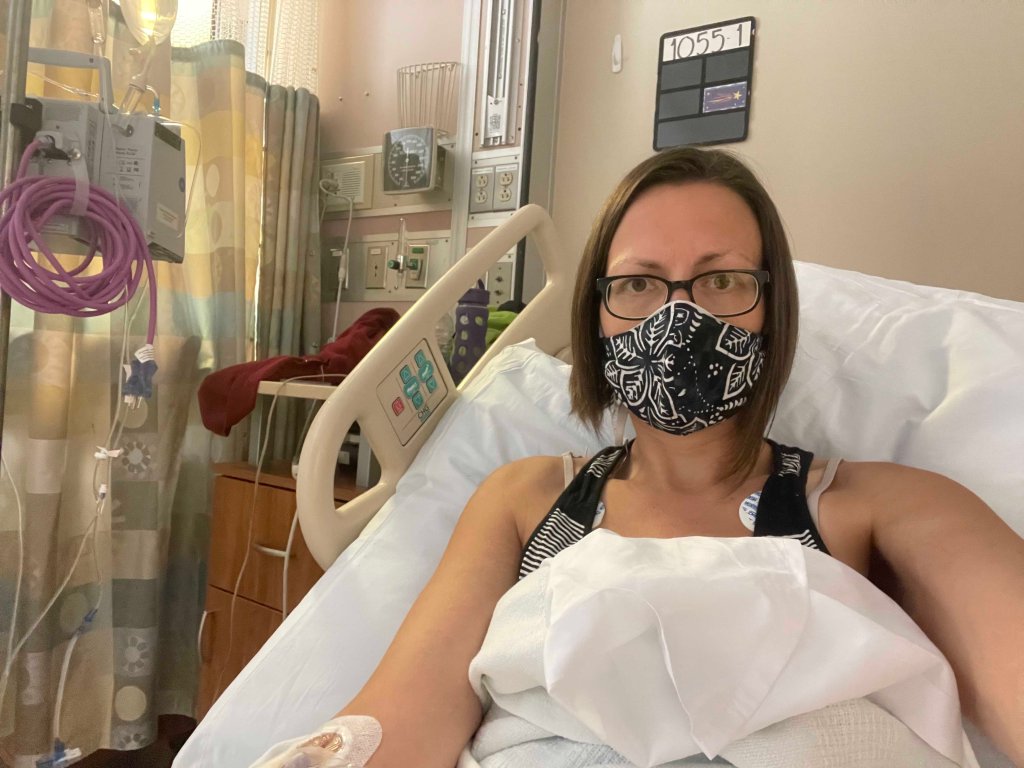
A: This lifestyle shift arose from a difficult circumstance I found myself in and had to somehow make the best of. In July 2021 I ended up with a mysterious infection in my foot that required an expensive two-day hospital stay. Around that same time, my cat was diagnosed with feline lymphoma and I’d accrued some debt from her care and eventual euthanasia. After she passed and I recovered from my malady, I was in dire need of extra income.

Mentally overextended and on the verge of burnout at my day job, the notion of more work involving my brain held no appeal. I’d already dabbled in Uber Eats and Instacart the previous year and felt they weren’t optimal as a side hustle because of the low payouts coupled with the vehicle wear and tear. So, I needed something new — and ideally fun, or at least easy — and decided pet care was worth a shot.

Q: How did you get started?

A: I signed up for Rover first and quickly received two requests for dog-sits in the clients’ homes. Once I established comfort in providing the extended, in-home service and had positive experiences, I wanted to see what other platforms were out there in order to expand my pipeline of prospective clients.

I then stumbled upon Trusted Housesitters (THS), which describes its model as follows: “We enable pet parents to connect with care-oriented sitters who will sit for free in exchange for the chance to spend time with some wonderful pets and for free accommodation. Our community allows pet-lovers to travel and pet parents the chance to go away with peace of mind.” 

I hadn’t had a real vacation in a couple of years at that point and lacked the funds to arrange one, so although THS didn’t offer paid work, I decided to give it a try. It felt a little risky to commit to a sit out of town, where being left in the lurch in the case of a last-minute cancellation would be problematic. I also saw some listings that were requesting sitters for several weeks and decided something short and sweet would be the best way to see what sitting through THS was like before going all-in on something longer. So, I first applied to and was selected for a long weekend with two pups in Lancaster, PA, just a few short hours away from home.

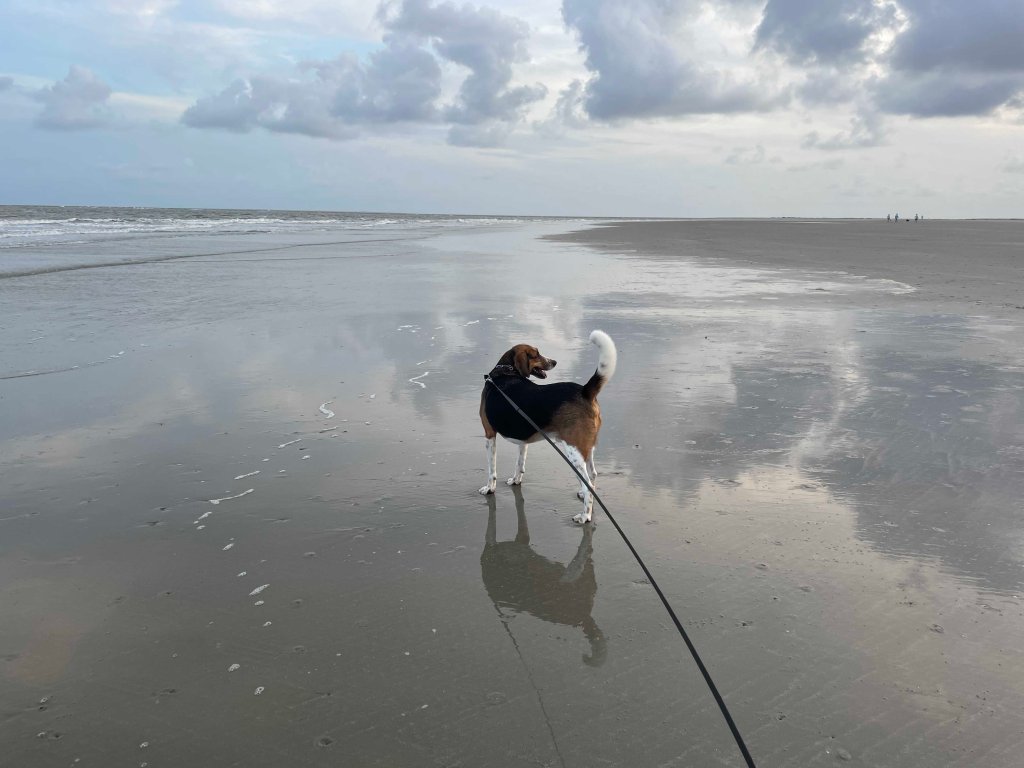
Once that went well, I felt more confident about applying for farther-flung openings. When I saw the listing for a 10-day gig in dreamy Seabrook Island, SC, my pulse quickened and I squealed because the condo looked to be in a resort-like community with a private beach and several pools. It seemed too good to be true to get to stay there for free for nearly two weeks with an adorable beagle named Pete. After I wrote my spiel requesting the sit and clicked apply, I skeptically told myself not to get my hopes up too high, but lucky for me, the arrangements were quickly confirmed. Later that month I had an unbelievable time soaking in the sun on the shore, after which I was hooked on the sitting life.

Q: What made you decide to go home-free?

A: As summer segued to fall, I was still in desperate need of money to pay off the aforementioned bills from my cat’s illness and my hospital stay. I was also staying at my apartment less and less as my calendar began to fill with paid sits in Ohio and Pennsylvania generated through Rover and referrals in my network, alongside a few more THS sits in Philadelphia, PA, Arlington, VA, and Ann Arbor, MI. I realized if I could fill my schedule enough to give up the apartment entirely, then I could knock out my debt much more quickly without rent to pay. So, I got my landlord to agree to renew my lease as a flexible month-to-month arrangement and set to work on hustling up gigs.

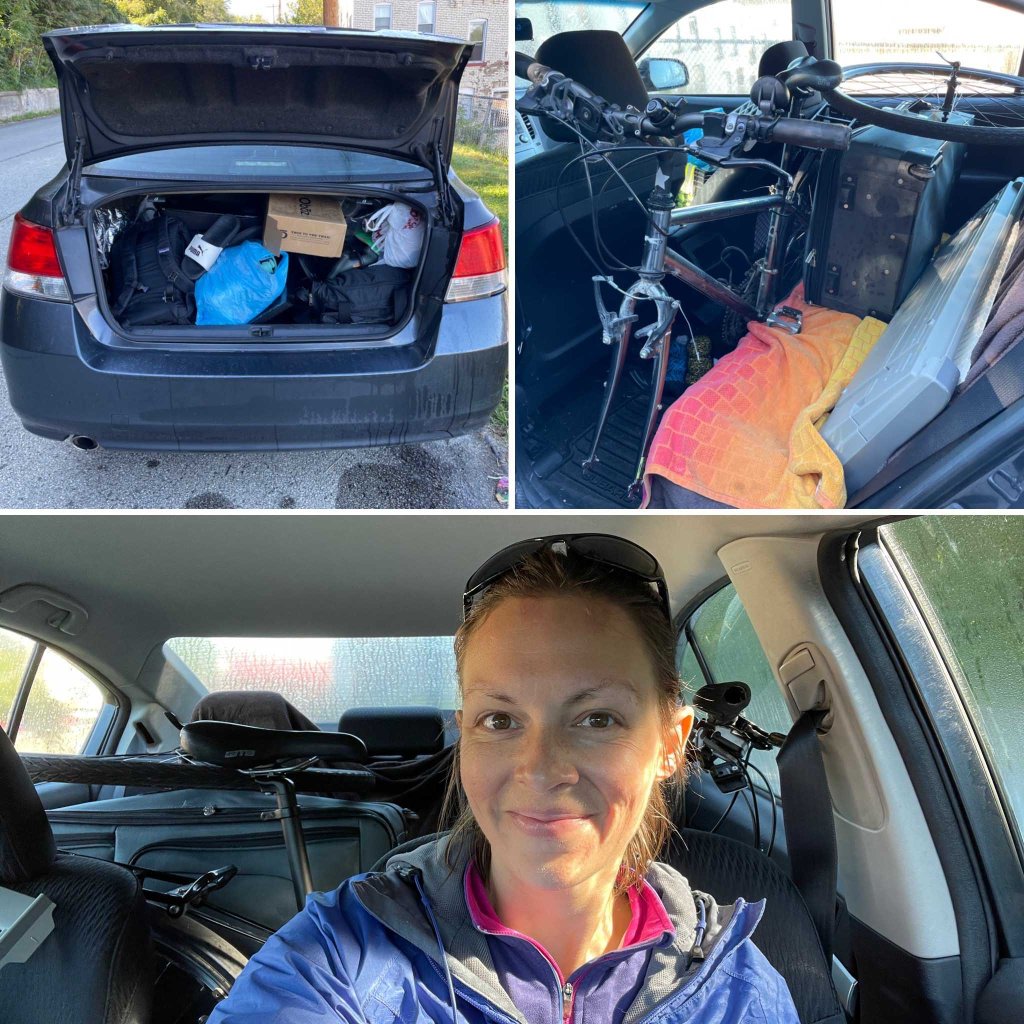
Once I had a full three months planned out and arranged storage of the few possessions I was unwilling to part with at a generous friend’s place, I set the ball in motion. By September 30, 2021, I moved out of my apartment and officially became a full-time nomad.

In future installments, I will tackle several other FAQs, including:

  • The best and most challenging things about working with animals
  • An overview of the platforms I use
  • How to establish yourself as a house- and pet-sitter
  • Creating compelling profiles and application inquiries
  • What it’s like to spend most of my life living in other peoples’ homes
  • How I plan my calendar and fill gaps in my schedule
  • Whether I plan to do this forever

What else are you wondering about? Let me know by emailing hello@hezhub.com or via the contact form on this website and I’ll do my best to address it in future posts!

Cultivating Gratitude

In early 2020 just before the pandemic hit, I was unemployed and newly separated from my ex-husband. It was an especially dark period in my life, so when I encountered the suggestion to make a gratitude list every day, I wasn’t sure it would be possible to come up with much each day. But I liked the idea of remembering there are always things to be grateful for and I’m an avid list-maker. I’d also lapsed on journaling for quite some time, so this seemed a good chance to dip my toes back into daily reflections.

It turned out that even on the worst of days, there was no shortage of things to write down. Some days the appreciation would be for the beauty of our planet after having seen a beautiful sunset or a gorgeous flower in bloom or encountering wildlife out on a hike. Often it included people in my life who helped lift me up during those difficult times by checking on me, sending funny memes or song recommendations, or meeting up for hikes. When COVID arrived, the list began to frequently include my relief that neither myself nor anyone I cared about had wound up in the hospital or dead. On days when I struggled to get out of bed or take care of basic life tasks like eating or showering, I made sure to express appreciation to myself for meeting my various needs.

The more I performed the activity, the longer the lists grew and the more keenly aware I became that life was really not so bad.

Benefits of Gratitude

As I experienced firsthand, there are numerous positive outcomes for individuals experiencing and expressing gratitude. The Greater Good Science Center at UC Berkley even wrote a white paper about it in 2018, which draws on many bodies of research and identifies the following benefits:

  • Increased likelihood to adopt healthier habits
  • Improved psychological health via increased positive mood, reduced materialism, and experiencing greater satisfaction with life
  • Improved physical health, including better sleep, less fatigue, and lower levels of inflammation
  • Less depression and greater resilience
  • Encouraged the development of other positive traits, such as patience, humility, and wisdom

The white paper went on to note there are also social benefits, such as:

  • Being inspired to be more generous, kind, and helpful
  • Strengthened relationships
  • Improved workplace environments

“Acknowledging the good that you already have in your life is the foundation for all abundance.”

Eckhart Tolle

Ideas for Introducing Gratitude

At the end I’ll include a list of resources you can check out for more ideas to incorporate gratitude practices into your life, but first, here’s what has been working for me:

Daily Gratitude List

Each day, I fill out a paper broken into three sections: intentions, goals/to-do’s, and gratitude. Since I refer to the page throughout the day, I often fill it out intermittently. But I also make sure to do a final close-out just before bed so I can pleasantly end the day.

I keep this list fairly simple, so it’s not a lengthy description of the thing I’m expressing gratitude for. Typically, it’s a sentence, though sometimes it’s only a word or phrase (e.g., flowers, rivers, my family). I have a minimum of five bullets each day, but it’s usually easy to fill the entire blank space with upwards of ten or more.

Notes to Others

Research published in 2018 found that folks underestimate what the positive impact of a thank you note will be. In addition to offering good feelings to the recipient, the experiment also demonstrated the boost in mood that it offered to the sender. While it’s easy to be inclined to shy away from this activity, which can feel awkward, I highly recommend getting into the habit of sharing your appreciation directly with others. I try to send at least one per month, though sometimes I fall behind as has been the case in the last few months while roadtripping and sending more postcards instead.

While a text, Facebook message, or email can certainly express gratitude and are never a bad idea, there’s still something to be said for notes and cards in this digital age. As of yet, there’s no science to back it up, but plenty of speculation that a handwritten message sent by mail results in a deeper experience. Plus, it gives you an excuse to buy cute stationery and stamps!

In-the-Moment Appreciation

Once I got going on the daily list, it struck me that if it makes me feel good to make a note of nice things periodically throughout the day, why wait? Now I’m often taking a moment in the midst of good experiences to observe positive sensations and give a shout-out to the universe for whatever is causing them. I also often thank the thing/person directly at that moment. You may encounter me on a hike complimenting a flower, thanking a creek for flowing, or telling a fern to keep up the great work. I’m still a bit reserved within human interactions, but I’m working on it.

Monthly Letter to Myself

I recently read Dr. Kristin Neff’s Self-Compassion: The Proven Power of Being Kind to Yourself, in which she establishes self-compassion as even more important to our lives than self-esteem. There are fabulous exercises throughout it to help readers apply the concepts and in one she recommends writing yourself a letter of appreciation. Because I am often quite hard on myself, this seemed worth trying, but I didn’t expect anything too profound from my first go at it in May because I am finally back to regular journaling and frequently converse with myself in writing. But from the get-go of addressing “Dear Me,” I realized this felt quite different.

As I began to write, the words spilled out of me almost faster than my fingers could keep up with – and the tears were falling just as enthusiastically. I wasn’t just writing my thoughts and feelings out; I was addressing myself directly in a focused fashion and casting a light specifically on my progress, good acts, positive traits, and so on. Things that so often are overlooked or brushed by as I move on to the next thing I want to improve upon or achieve. I now have this activity scheduled for the last day of each month to acknowledge my efforts – even those that ended in defeat – and celebrate my wins. It’s a wonderful ritual to segue into each new month.

Additional Resources

As promised, here are some more articles that might inspire your own gratitude practice. Different things work for different folks, so experimentation is encouraged!

“When I started counting my blessings, my whole life turned around.”

Willie Nelson

Don’t Be Aunt Nell

Earlier this month on a tour at the Mammoth National Cave, I was walking in front of a couple and overheard the woman commenting on one of the man’s aunts, who was nicer, calmer, more personable, and relaxed lately when they saw her. He concurred and she said, “I like her so much more now, why was she like that?”

He said the shift happened after her mother died. I tuned out as much as possible but caught the jist that this aunt was perhaps so caught up in the idea of who she was supposed to be and how she was expected to act based on her relationship with her mother, that once the elder passed away, she immediately became less tense. Without the pressure and the inclination to be so performative in playing a role rather than simply being herself, her company became more enjoyable and being in a relationship with her was more pleasant. 

The woman then went on to compare this to a couple of her own cousins who were waiting for their Aunt Nell to die so they could finally come out of the closet. I assume from how this was stated that these folks are actually fairly comfortable with their sexual identity as homosexuals and they apparently aren’t too worried about other family members in their life not accepting them for who they are. But because there is one key person they expect a negative reaction from, they choose to continue living with this part of their life incognito. 

Research has attempted to measure what percentage of Americans are living in the closet through surveys and other means. One recent assessment suggests that 1% of adults are in the closet, which equates to 30% of the LGB population. Whether it’s because of an Aunt Nell figure in their family, fear of stigma in other communities they’re a part of, or any other number of reasons, I support these folks in their decision to keep their sexuality to themselves. But my heart also breaks for them because the damage that keeping this secret can cause is even more well-researched and documented than the effort to identify how many folks are in this situation. 

Staying in the closet can damage both mental and physical health in myriad ways. In fact, the science on this is now so accepted that a group of scientists in Montreal declared that it wasn’t a “matter of popular debate, but a matter of public health.”

Homophobia, stigma, and other challenging experiences that homosexuals face are certainly difficult, yet research from the past decade indicates that openly disclosing one’s sexual orientation is correlated with less occurrence of chronic stress. A 2016 article from Out Smart, Houston’s LGBTQ Magazine, summarized well the main ailments related to feeling forced to hide one’s sexual identity, which includes:

  • Dissociative Identity Disorder
  • Chronic depression
  • Self-disgust and self-hatred
  • Low self-esteem and negative self-view
  • Destructive behaviors, such as alcohol/drug abuse and suicidal thoughts

There’s so much more I’d like to say on this topic, but for the sake of brevity, I’ll end here for now by encouraging all hetero folks, young and old alike, to consider the following questions as we close out Pride Month:

  • Is there any way that I may be an Aunt Nell to my own family or friends or in my community? 
  • If I am uncomfortable with homosexuality, does the comfort I experience from people hiding their true identities outweigh my desire for my family, friends, and community to be healthy and well? Would I feel the same way if I knew that they expect to have fuller, more authentic lives once I’m gone simply as a result of me no longer being alive?
  • If I am comfortable with homosexuality, how can I be a more active ally and challenge the Aunt Nells within my own circles to embrace others as their full selves?


Nomad Accessories

When I became a home-free traveling house- and pet-sitter in 2021, I sold, donated, and gave away most of the stuff that outfitted my apartment. After parting with nearly all of the practical accouterments one needs to outfit a residence, I discovered some unique challenges, needs, and desires of my current lifestyle that vary from the beforetimes. What follows are some of the indispensable accessories that help this atypical life be more viable and/or comfortable for me.

Planet Fitness Black Card: The cost of the Black Card membership that gives you access to every Planet Fitness nationwide is only $24.99 per month (+ an annual fee of $49) and I have found it to be well worth the investment. The ability to maintain a fitness regimen on the road is important in and of itself, especially as aches, pains, and stiffness arise from all of the car/driving time. But it’s also invaluable to have regular access to a hot shower and I’m obsessed with their hydromassages and massage chairs.

On long drives, I may stop at up to as many as three of their gyms in a single day, with some of those visits being just to stretch and grab a massage before hopping back on the road. Their growing number of locations are often in convenient proximity to major highways, making these pitstops possible without adding any or much time/mileage.

*Disclaimer: No, I’m not sponsored by PF in any way – though they’re welcome to pay me if they’d like! – but if you are considering becoming a member, do me a solid and use my referral code so you get a better deal and I get a lil’ perk!

Shower Caddy and Flip Flops: This combo takes me back to my college dorm days! These are both must-haves if you plan to use public showers unless you enjoy ringworm, Athlete’s foot, MRSA, staph infections, etc. No matter how often they’re cleaned, it isn’t worth taking the chance of going barefoot or setting your toiletries down directly on any surface.

Tent: When I have gaps for a night or two in between housesits, I typically sleep in the car. But anything longer than that and I will seek out cheap camping opportunities. Putting up a tent by myself seemed super intimidating, but a friend offered reassurance that this one from REI was pretty simple and it was reasonably priced so I took my chances. My first time pitching was in sand so I also had to buy some special stakes that are longer and screw in. I’m happy to report that it withstood two rainy, windy nights on Assateague Island just fine!

Air Mattress: Maybe in my younger years, I could have slept in the car without one. But as someone who survived several years of rehabbing my back following being hit by a bus, and who is now forty, I can’t imagine going even a single night sleeping in the car or tent without an air mattress. You don’t necessarily need an expensive one or the kind that requires an air pump. I got this one from REI that a friend recommended and it works great, especially if I put my yoga mat beneath it.

Sleeping Bag: When I started out as a nomad, I traveled with regular bedding. In the right weather, this worked fine for sleeping in the car. But once I experienced humid conditions, colder temperatures, and tent camping, I realized the shortcomings. Even with a sleeping bag, you may have to deal with moisture issues caused by morning dew, condensation, or sweat, but these are much more easily addressed with the materials that comprise a sleeping bag than a comforter. Sleeping bags also provide another layer of cushion for your body and can keep you better insulated in more extreme temperatures. I was fortunate to find a great Coleman bag at a Goodwill for $10 and friends donated a mummy-style one for colder nights, so keep an eye out and ask around before dropping top-dollar on one.

Coolers: Some shelf-stable foods travel better than others, but even dry goods can be impacted by extreme heat in the car. Depending on the conditions you’re traveling in, an insulated bag may do the trick, but I personally store the majority of my food in a hard-shelled cooler.

Note: If you’re going to be camping outdoors and plan to keep food in the tent, be sure to get a cooler that locks to keep wildlife from tampering with it!

Non-leeching Water Receptacles: As I mentioned in a previous post, plastic water bottles can leech chemicals when left in a hot car. I found a few giant stainless-steel canteens at thrift stores that contain enough water to last about four days. I store these in an insulated bag and even in the hottest temps, they’ve kept my water sufficiently cool.

Mobile Outlets: I’m a digital nomad who works from the road, which means I can’t permit my devices to go uncharged for long. I first invested in an outlet that plugs into my car’s auxiliary power outlet (aka, the cigarette lighter), but eventually had to also get a portable power bank that works independently of any power source. Just make sure you check the wattage while you shop around to ensure it meets your needs; I was bummed to discover that while mine will easily charge my devices, it wasn’t sufficient to run an electric kettle or a small electric space heater.

Posture Support Brace: Excessive amounts of driving time is likely to result in poor posture. In turn, this may ultimately lead to pain in any number of body parts, such as your neck, shoulders, back, arms, hips, legs, and feet. A posture support brace can help you be more mindful of your driving position. I don’t wear mine often enough, but do as I say and not as I do!

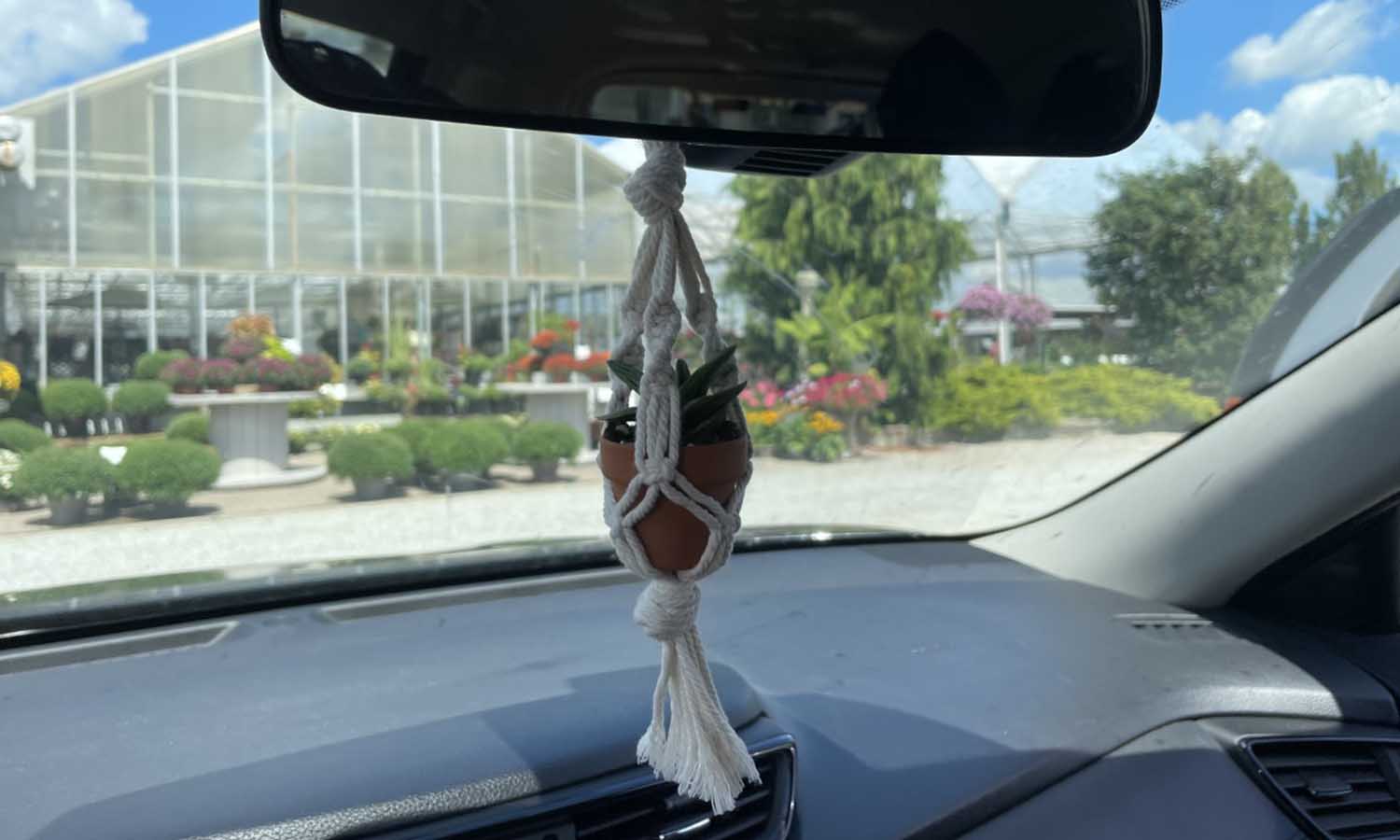
Rearview Mirror Hanging Plant: Research has repeatedly shown that plants are good for your mental and physical health. While the nomadic lifestyle may not be conducive to storing many plants, I was overjoyed to find the adorable macrame plant holder shown as the cover image of this post, which hangs from my rearview mirror, at The Local Coop in Saint Simon’s Island, Georgia. (Sadly, I don’t see this item on their website, but they may sell you one if you contact them to ask. A quick Google search also shows similar items available through Etsy and Amazon.)

It can be tricky to keep plants alive in the car, given all of the variances in sun exposure and temperature changes, but tiny plants are cheap enough that I don’t feel wasteful replacing mine anytime one dies.

When Mantras are a Lie

If you’ve been on a self-help journey of any kind, chances are you’ve encountered the concept of using affirmation mantras for healing and to increase your self-love or even manifest positive outcomes into your life. And for some folks, it may be as straightforward as that; you start each day saying, “I am beautiful,” or “I love myself,” or “I am filled with hope and joy,” or “I attract only good things into my life,” and voila! Your feelings, outlook, and experiences begin to align with those statements and your life is transformed.

If that’s how it worked for you, then congratulations! Awesome! Way to go! This post is not for you, though, you lucky SOB.

This post is for the folks who had the opposite experience and somehow managed to actually feel worse after enlisting mantras in their journey.

My early attempts with mantras were a nightmare. Similar to my initial forays into meditation, the failure I seemingly experienced served to solidify my fear that I was hopeless and nothing I tried to make myself feel better to be better was ever going to work. I was always just going to be a mess because these things that worked for other people were instead digging the hole I was in deeper.

When I first learned about affirmation mantras, I compiled a big list of them and each day I would choose a few to focus on. I would write them down along with my goals and to-do’s for the day and periodically I would say them aloud. I also posted a few on the wall next to my desk and one at the top of my bathroom mirror.

Every once in a while, I would feel a twinge of hopefulness with this practice – thinking about how I wanted to feel focused my energy on something more positive than the reality of how terrible I actually felt and allowed me to picture what I was seeking. So, in that respect, it was at least a occasionally a distraction from the more common recurring thoughts in my head of things like, “I’m the worst,” “Why am I so fucked up?” and “Get yourself together, damnit.”

But more often than not, repeating things like, “I’m beautiful and I love myself inside and out,” or “Good things find their way to me with ease,” just made me feel worse. Not only did I not feel beautiful when I said it or suddenly have loads of good things happening, but now I was a liar too. Who was I fooling by saying that when I felt awful and was experiencing a whirlwind of challenging circumstances? Certainly not myself. I might be a mess, but I was no fool.

Another gloomy perspective that emerged when I didn’t possess the positive outlook contained within the mantra was that I began to see myself as a failure in my foray into spirituality and wellness. This technique is tried and true, right? Tons of folks have written articles and books about it. Experts have demonstrated that it works and can make a profound improvement in peoples’ lives. Everyone but mine, apparently, is what I thought. How fucked up did I have to be for something widely accepted as a proven strategy for healing and improving one’s life to have the complete opposite effect of actually making me feel worse?

Way to go, me – instead of creating a better life, I found a whole new way to prove to myself I was utterly broken.

The situation only worsened when I tried combining the mantras with mirror work, which involves saying a phrase while looking at your own reflection. I read an article suggesting that you can identify the areas in which you need the most work by noticing which phrases you have the hardest time looking yourself in the eye as you utter them. Guess how that turned out for me? Well, let it suffice to say that it’s hard to focus on your reflection when you’re bawling so profusely that you can’t even see at all. I don’t care what Louise Hay says, this shit was not healing my life.

A while after beginning therapy, I mentioned this challenge to my counselor and I was immensely relieved to learn that this struggle was not uncommon. She confirmed that for some folks, when the mantra felt untrue and did not reflect how you actually see yourself or life, it could actually make you feel worse.

Following this conversation, I began to only employ mantras that felt accurate to my experience and perspective. I tossed out every single one suggesting I loved and accepted myself exactly as I was, for example, because I absolutely did not (even if I knew I should). A few in heavy rotation at that time included:

  • I am learning and growing every day.
  • My relationship with myself is improving and I love myself more every day.
  • My mistakes and flaws are opportunities for growth.
  • I am becoming the best possible version of myself.

A few months later, I was listening to “The Homecoming” podcast hosted by the brilliant Dr. Thema Bryant, and she presented another approach. She suggested extending to yourself an invitation. From there, I also started to think of ways that the expression could also affirm the progress I saw in myself or be framed as a hope, even if I was not yet where I wanted to be.

A few examples of how I applied this shift include:

  • I invite myself to be self-compassionate.
  • I am learning how to be patient and calm.
  • I am becoming kinder and gentler with myself and others.
  • May I offer myself grace.
  • Even though this is hard, I am learning to love myself exactly as I am in this moment.
  • Everyone is worthy of love, kindness, and understanding – I am not an exception.
  • I am creating new, healthier boundaries with myself and others.
  • I am beginning to accept myself exactly as I am.

If you’ve had a similar experience to what I described above, don’t give up! And if you find that starting with more realistic, but still-positive options works for you, circle back to the loftier ones periodically to try them on for size again, because one of these days you really, truly may love and accept yourself exactly as you are in this moment.

Good luck!

Roadtripping on the Cheap

It’s easy for travel expenses to quickly add up, between gas, meals, snacks, drinks, and more. For someone like me, who is always on the road, it’s necessary to find ways to meet life’s basic needs without spending in excess. I’m far from an expert on this topic, but here are some of the habits and practices I’ve developed in the past couple of years on the road.

Leave the Highway

Rest-stop gas stations may be convenient, but unless you’re in a rush, try straying off of the highway a bit further for pitstops to refuel. Typically prices for gas and other commodities decrease as you leave the main route. You may also have better luck finding cheaper gas in areas with more stations in competition with one another than stopping at an exit with a single provider available. An increasingly common trend is for prices to be cheaper if you pay in cash instead of using your credit card.

More Strategies for Refueling

Many apps can help you save money on gas. I use Upside, which partners with select retailers to offer cash-back incentives to consumers. I primarily use it for gas, but they also work with restaurants, grocers, and convenience stores.

Mapping apps, like Waze and Google Maps, also have price information available about gas in your proximity, so you can research before choosing where to stop. Sometimes even with the discounts and rewards offered by Upside, there’s a cheaper price somewhere else nearby, so it’s always worth checking.

Although I haven’t used them personally, you may also want to check out GasBuddy and Fuel Me Up.

BYO Snacks and Beverages

Gas prices aren’t the only things marked up on the highway, other commodities like snacks and drinks also may cost more. This is another area in which planning ahead can cut costs drastically. Some of my standard things to keep on hand in the car along with plastic silverware include:

  • Apple sauce
  • Dried fruit and fruit cups
  • Nuts
  • Trail mix
  • Pretzels
  • Rick cakes
  • Peanut butter
  • Cereal, granola, and energy bars

Packing non-perishable drinks will also help limit purchases made on the go. Being a constant traveler and someone who typically only drinks water, I keep a Brita pitcher and several large reusable bottles with me at all times. Shelf-stable bottled drinks are another option and if you prefer them cold, you can typically snag ice for free (or at least cheap) at gas stations and food courts.

One consideration with both food and drinks kept in the car is temperature. Some drinks may explode in very cold temperatures, so be especially careful with things like soda, seltzers, and energy drinks. If you’re traveling with babies, it’s also important to know that formula separates once frozen and becomes inedible.

At higher temps, many drinks with sweeteners may break down in extended periods of heat or sun exposure. Also be wary about storing anything in plastic bottles, which leach chemicals if left sitting in a hot car. Even without ice, storing drinks in a cooler can help prolong the life of any beverages that may need to survive a prolonged period in the car.

Limit Eating Out

When traveling, it’s great to try the cuisine available in new areas and support local businesses. However, if you just need to get food in your belly and aren’t looking for the experience per se, skip dining out. When possible, prep food ahead of the trip to eat while you’re en route. Or you can pack items that will permit making a quick and easy meal on the road, like PB&J and other sandwich-making supplies.

For folks on longer treks like I typically am, it’s impossible to keep ice packs frozen forever, so eventually I always have to stop somewhere for ready-made options. When the time comes, though, instead of hitting up restaurants, I typically opt to find a grocery store. The deli and prepared food aisles can provide plenty of offerings served cold, such as a variety of salads, sandwiches, and even sushi. Sometimes you may even find a seating area with a microwave to permit heated options.

When Dining Out

If you do decide to go for a restaurant, once again try getting further off of the highway and using apps to find more affordable options. Similarly to using Waze or Google Maps to check gas pricing in the area, for meals you can look at Yelp or even just Google restaurants to preview menus before deciding where to go. Many apps also offer deals, such as Foursquare, Groupon, and Upside.

You may also consider placing pick-up orders rather than dining in the establishment you choose. In some states, this will decrease the percentage of sales tax that is charged and it will also lower the percentage of the bill that you should leave as a tip. (To be clear, I’m not saying be a crappy tipper, though – always take excellent care of servers! Just that it’s appropriate to tip less for carry-out than dine-in meals.)

Get Rewarded

Atop these strategies to reduce expenses, I also scan receipts for anything I do purchase on the road (and in life in general) into another app called Fetch, which gives you points for every receipt you log. It takes a while to accumulate much and it’s easy to forget to do it or get lazy about keeping up with it. But if you’re going to be spending the money anyways, you might as well get whatever you can in return.

Many credit cards also offer rewards. I’m not a fan of Amazon, but I often use it to order things for my parents and the credits I get from making purchases on a Chase card offered through Amazon add up over time. If you fly often, then a card that offers frequent flyer miles may be a better option.

Whatever you choose, just be wary of selecting a credit card based solely on the rewards if you are someone who ever carries a balance. Some of these options may have nice incentives but terrible interest rates, which is why I’m diligent about paying the bill on my Amazon-associated Chase account in total every month. If I ever need to carry a balance, I elect to do so on a different line of credit with a lower, more reasonable interest rate.

Referrals

Although I am not sponsored by either of these companies, they do offer their users perks for referrals, so if you decide to sign up for one after reading this, do me a solid and use my links below for:

Get Grounded

Grounding is a term used to refer to strategies that help you focus your attention on the present moment. Related concepts include centering, anchoring, or, in the case of methods that electrically reconnect your body with the physical ground and soil, earthing.

There are a number of situations in which grounding, centering, anchoring, and/or  earthing may be beneficial (e.g., athletes may use it to boost their performance) and there are countless strategies to explore (e.g., meditation, yoga, gardening, standing or walking barefoot). This post specifically deals with a resource that you can create for situations in which you need relief from stress, anxiety, or both: a grounding kit.

What is a Grounding Kit?

Whether you’re feeling nervous, worried, angry, or simply unbalanced, taking actions to ground your energy can help you become calm and better able to experience or manage your emotional state.

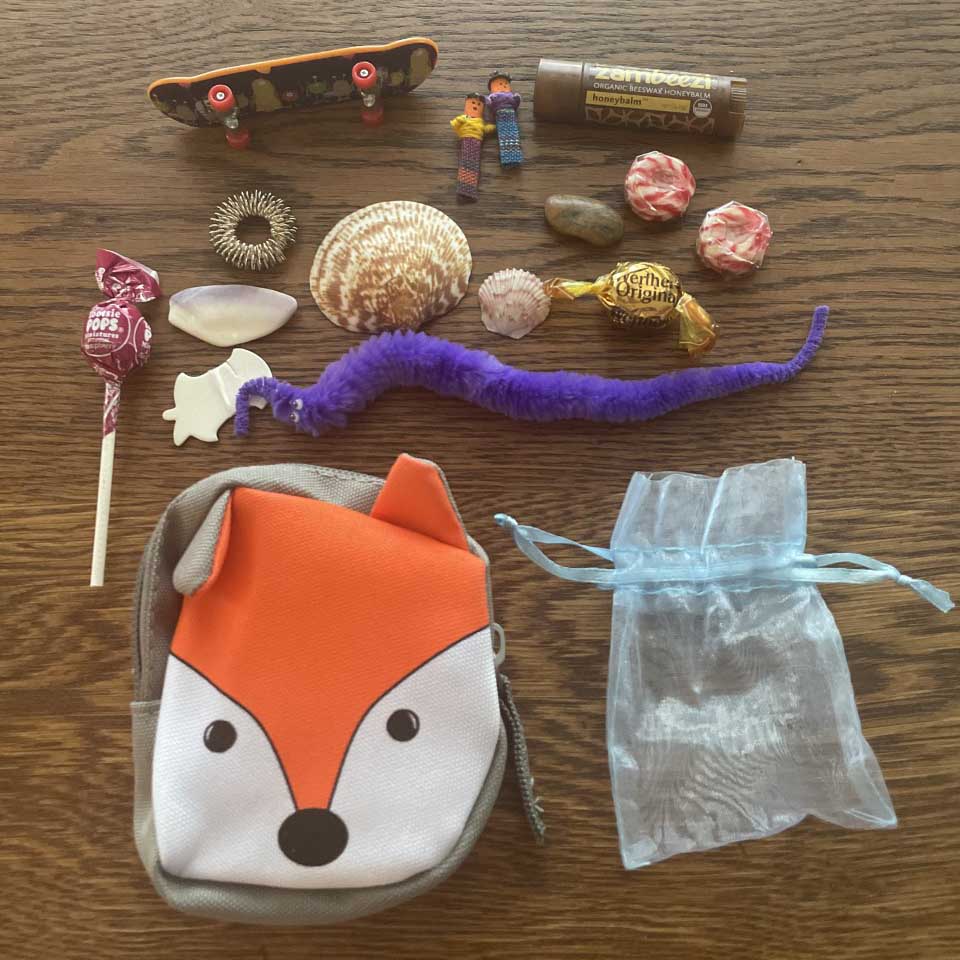
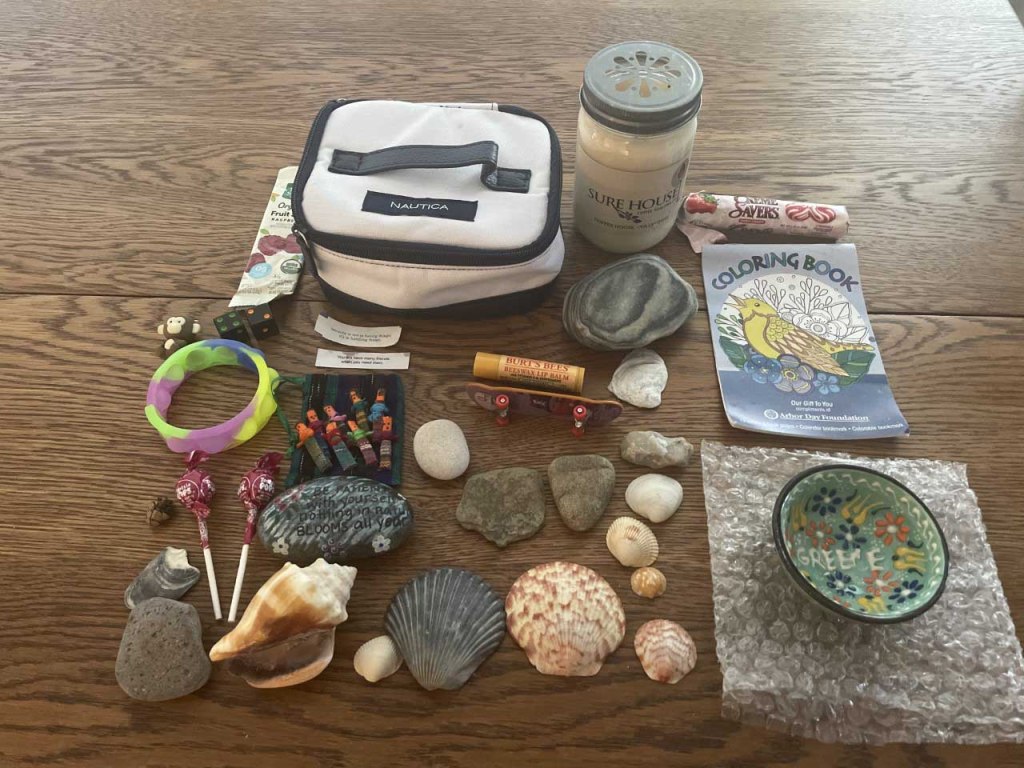
A grounding kit (sometimes referred to as a self-soothing toolkit or coping toolbox) compiles together physical objects that you can include in your grounding efforts.

Grounding methods that involve the five senses (sight, sound, taste, touch, and smell) may help interrupt disruptive or disturbing thoughts and symptoms so consider including at least two items for each sense in your grounding kit. Some people may respond more to one sense or a few, however, so consider what appeals the most to you as you create your grounding kit and stock it more heavily with items relevant to that sensory area.

There are no “right” or “wrong” objects to include in a grounding kit and what works for one person may frustrate or even trigger another person. For example, if you have extreme sensitivities to noises and sounds, then a loud wind-up toy or popping bubble wrap is the opposite of helpful even if it’s the go-to strategy for someone else.

Making Your Own Grounding Kit

Although a number of vendors sell ready-made grounding kits, such as these products available on Etsy and Amazon, they’re easy to make yourself. You may also consider creating two grounding kits: one that stays at home and includes bulkier objects and a separate mobile kit with fewer items that you can take anywhere.

First, simply choose a bag, box, or other receptacle; you’ll ideally want something small enough size to carry around with you in a pocket, purse, or glove compartment. Next, compile your grounding objects. You may already have plenty of the useful supplies at home, but it’s also possible to invest in grounding objects on a slim budget even if you find yourself needing to make purchases or feel more inspired by the act of investing in compiling your kit from scratch. I recommend cruising the aisles at your local thrift store in either case, there’s no need to make this an expensive project! 

Below is a list of items corresponding to each sense that you may consider including in yours.

SIGHT

  • Photographs
  • Postcards
  • Color swatches
  • Construction Paper
  • Colored pencils, markers, or crayons

SOUND

  • A pair of headphones
  • Mini singing bowl
  • Bubble wrap
  • Toys that make noise
  • Music box

TASTE

  • Chapstick or lip balm
  • Tea bags (especially herbal blends)
  • Mints
  • Candy
  • Chocolate

TOUCH

  • Fidget items, such as spinners, cubes, and jewelry
  • Weighted blanket
  • Dice to roll
  • Natural objects like rocks, shells, and pine cones
  • Items with varied textures like a marble, sandpaper, feathers, pom-poms

SMELL

  • Essential oils, such as peppermint, lavender, and citrus scents
  • Candles
  • Lotion
  • Jar of spices
  • Fragrance sachet

Using Your Grounding Kit

Once your grounding kit is ready, try to have it with you and accessible as much as possible. Although you can use it as often or infrequently as you like, the more you practice engaging with your objects, the greater the chance is that this technique will benefit you in periods of heightened stress. I suggest spending up to five minutes per day for the first week or two exploring your kit and seeing which items you respond to most; you can always add or remove contents to suit your style and needs.

The ideal use of a grounding kit arises when you feel yourself reaching about a 3 or 4 on a scale of 1 – 10, with 10, as opposed to waiting until you’re experiencing big emotions or duress. But it’s natural to sometimes miss our mind and body’s cues about stress until it’s already elevated. And it’s common for folks – like me! – to forget to use their kits sometimes. So, don’t be hard on yourself if you find yourself at a level 10 before reaching for it or forgetting altogether – it happens!

Finally, remember that the purpose of the grounding kit isn’t to avoid your problems or get rid of your emotions. Feelings are important and should not be ignored! But this nifty little resource may allow you to take a step back from stressors and triggering situations so that you can hopefully regroup and reapproach the circumstance in a calmer, healthier way.

Disclaimer: Hez is not a doctor or mental health professional. The information provided in this post is for educational and informational purposes only.

Goodbye, board service. Hello, whatever comes next!

Last night concluded my second term as a board director at a nonprofit retail store, a milestone that requires me to roll off and discontinue my service for a minimum of one year as per the organizational bylaws. Over the past six years, I have learned and grown in countless ways – particularly as I led the organization through the many hardships we experienced as a result of the COVID-19 pandemic, which started in Pennsylvania within weeks of my election to President. Talk about learning a new role with your feet to the fire!

This was my first experience serving as a board director and I thought I’d take an opportunity today to reflect on some of the most important lessons I’ve learned.

Don’t Sell Yourself Short

When I joined this board, I felt pretty unconfident because I hadn’t served as a director before and I was fairly new to the nonprofit sector. I chose the organization specifically because I was familiar with their mission and fair trade principles, plus it was a retail store, which made my decade+ working in coffee, music stores, and food co-op leadership roles relevant enough that I figured I’d have something to contribute.

It took less than two meetings to realize that I had more than just a little something to offer. I had drastically overestimated what skills and knowledge someone must possess to take on the responsibility associated with board roles. I’m not suggesting that just anyone can do it, but as long as you’re committed, understand and care about the organization’s mission, and have at least some concrete skill or experience that can transfer to the work at hand, you’re going to do fine. Trust me!

Define Your Boundaries and Stick to Them

When I joined this board, I was working 32 hours a week and attending a master’s program part-time. I expected my participation to make my schedule a little tight, but I excel at time management and figured the gaps between semesters would give me a chance to catch up on life or board work if anything fell behind.

In theory, this would have been true if I had defined boundaries around how much time I could contribute and what responsibilities I was able to commit to. However, I’ve long been the type of person who rises to fill unmet needs, so when a call for executive office candidates went out a few months after I joined and no one came forward, I found myself volunteering as Vice-President. I took the position with the caveat that I certainly could not fulfill one traditional VP duty, which is the expectation to succeed the President whenever the office becomes vacant. Then, a year later when the President’s term ended, what did I do when no one came clamoring for the opening? I resigned myself to filling the gap and moving up despite my earlier disclaimer.

This was no one’s fault but my own and let it suffice to say that I did not set myself up for success. Learn from me – if you know there’s too much on your plate, don’t volunteer for more or prioritize others’ needs over your own.     

You Can’t Do It All Alone – Seriously!

As I took on executive offices, another challenge was turnover within my committee which caused me to maintain my other leadership role as a committee chair for quite some time. Hazards of this overlap were in abundance. First, it resulted in frequent multi-tasking as I listened to and participated in conversations while wearing both hats. It also limited the effectiveness that I could achieve in either role since both came with significant strategic duties that I lacked the adequate capacity for.

“There is no such thing as multitasking; there is such a thing as doing multiple things badly.”

-Dean Sherzai, MD, PhD

The greatest drawback of moving up in the hierarchy without releasing the previous role for so long was the failure to address succession planning. While I’m not sure what we could have done differently given the personnel issues, I encourage you to avoid this pitfall if at all possible because it’s vitally important to allow other folks on your team to develop. Otherwise, the chances are good that you will wind up with only a handful of folks who actually understand how your organization operates, thus creating an over-reliance on those few and severing the talent pipeline that prepares future leaders. It may seem like you’re helping because there is a gap that does need filling, but this solution will only result in even more holes in the future.    

Know Your Limits and Maintain Balance

As I’m sure you are picking up on by now, I completely overdid it at various points throughout my board service. Because the pandemic and other life situations caused an uptick in my stress level in tandem with the timing of my board responsibilities expanding, unsurprisingly I wound up ridiculously burnt out at points. Sometimes I even felt bitter and angry with others even though it was no one’s fault that I allowed so much work to wind up under my purview.

Even on days when I felt good about the work I was doing and overwhelmed by the support of fellow directors and the staff, I was often navigating life in a harried state. I would wake up in the middle of the night thinking of some task or other that needed to be done. I’d rush through my workday at a frantic pace so that I had a chance to attend to board activities over lunch or to check emails between meetings. I gave up enjoyable volunteer work with other organizations because it came to feel like a frivolous use of time conflicting with my presidential responsibilities. I even stuck a pin in addressing many problems and issues in my personal life out of a sense of duty to stay sharp and get work done.

Needless to say, this state does not bring out anyone’s best self. We all need balance in our lives and if you fail to make that a priority, your work and well-being will suffer to the detriment of not just yourself, but also everyone who you work with.  

Acknowledge Your Humanity and Offer Yourself Grace

These are not the only mistakes that I made as a board director and on many occasions I felt like I let down my fellow directors, the employees, and even my family and friends. Sometimes doing too much in my board life left me depleted and unable to be fully present in my personal life. Other times I failed to honor commitments because I was overloaded. I occasionally got stressed, down, or cranky in ways that demoralized others and then I’d wind up feeling like a big ol’ jerk. And in general, I aligned my sense of self-worth far too closely with the performance of the organization, which meant that I felt personally responsible for our survival when the pandemic hit even though it was evident how many circumstances were beyond my control!

When you’re in a leadership role of any kind, even in perfect conditions, you are going to make mistakes. You’re going to have a bad day. You’re going to learn something new that makes you reflect on how differently you would have done X if you’d only known Y sooner. Someone is going to dislike or disrespect you, lack confidence in you, or talk about you behind your back. And somehow, in spite of all of this, you are going to have to keep going.

I’m learning more and more how crucial it is to offer myself grace rather than beating myself up. Even amidst the biggest mistakes or most embarrassing missteps, I was doing my best and deserved to be treated with compassion and empathy by myself and others. I hope you remember the same thing!

Celebrate Your Wins

If I made a list of things that my board and I accomplished during my tenure and compared it to a list of my shortcomings or mistakes, the former would so far surpass the latter that it’s absurd I spent any time whatsoever worrying whether I was a competent leader or good human. But because of my personality and disposition, combined with how dire and bleak the situation seemed at points during the pandemic, I often failed to take stock of how much incredible work was happening.

Yes, this was a case of imposter syndrome at work, but it also was a result of not frequently stepping back to the 10,000-foot view and seeing all of our progress. This didn’t just result in me carrying around more emotional baggage than necessary – even moreso it was a huge missed opportunity to motivate all of my colleagues to celebrate their own wins, and organizational successes too, by failing to lead by example or celebrating only briefly before turning back to problems and issues.  

“[C]elebration is an important opportunity to cement the lessons learned on the path to achievement, and to strengthen the relationships between people that make future achievement more plausible.”

-Whitney Johnson

Term Limits Exist for a Reason

Over time, my board role became a huge part of my identity. I was known in my community for this work. I met countless wonderful individuals through my time with the organization and will miss connecting with and working alongside them. I remain unwaveringly committed to the mission for a more fair and just trade system and feel uncertain how I will continue to promote and support this cause that is so near and dear to my heart.

On the other hand, I genuinely believe that one of the greatest strengths of a board is that it permits diverse viewpoints to coexist and term limits further enhance that as entrenched veterans roll off to make way for new board members bringing in fresh perspectives and ideas. I arrive at this transition with confidence that it’s for the best.

When I told my mom that the end of my term was approaching, she asked if that was a good thing or a bad thing.

The truth is, it’s neither and it’s both.
It’s a bittersweet thing.

So, now that the time has come, I’m going to take some of my own advice and spend today reflecting on the many amazing things I experienced and the incredible feats I accomplished! Chief among them is the pride I feel in knowing that the organization is undoubtedly better off as a result of my efforts.

I end this reflection with immense gratitude. First, for the chance to learn and grow that board service provided. Also, to my family and friends who offered support and encouragement throughout the past six years, especially when the pandemic hit and I became an anxious perpetual motion machine! And finally, to the directors and employees who I’ve worked alongside. These folks bring commitment, passion, and great skill to the work they’re doing and my spirit is buoyed by knowing that the organization is being left in great hands.

A Life of Slow Tourism

“There is more to life than increasing its speed.”

-Mahatma Gandhi

When I began travel pet- and house-sitting in 2021, initially I was mostly doing sits of about 3-5 days or no more than a week. I still had an apartment and I got nervous if I strayed from it for too long – imagine returning home after several weeks away only to discover that a pipe burst in the basement and all of your possessions in storage were damaged, or a leak had sprung in the roof over your office, or that your place was broken into and the door was left ajar?!

Being tethered to Pittsburgh by way of that apartment didn’t last too long, though. Once I was able to fill my sitting schedule for a full three months ahead, I felt secure enough to give up having a permanent residence of my own and commit wholeheartedly to life on the road. This shift brought about many new experiences and changes in perspective, including a newfound love for slow tourism.

Slow Tourism Defined
Like most adjectives, “slow” is a subjective term that means different things to different people. But the general gist of it in regard to tourism is that you:

  • Aren’t cramming in a million destinations within a single trip
  • Spend enough time in a locale to immerse yourself in it
  • Don’t just plan for activities that encompass the top attractions and most well-known features of a geography
  • Get a chance to take in the culture, history, food, and lifestyle more closely to how residents experience living in the area
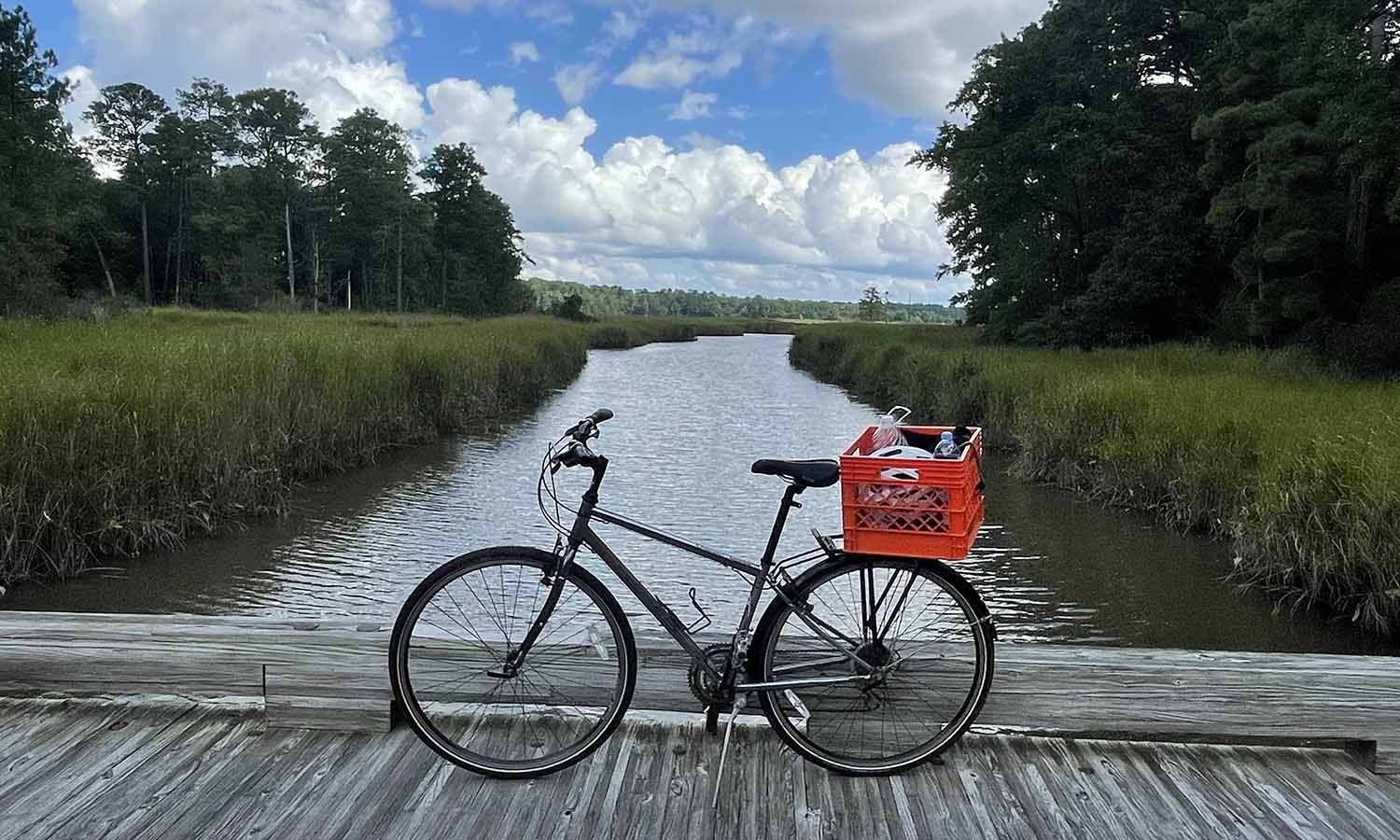
  • Take the opportunity to enlist slower modes of transit to explore, e.g., bikes, rollerblades, canoes, and kayaks
  • Support locally-owned businesses

“Slow tourism is characterized by reducing mobility and by taking time to explore local history and culture, while supporting the environment. The traveler’s main goals are relaxation, self-reflection, escape, novelty seeking, engagement and discovery.”

Journal of Travel Research


Benefits of Slow Tourism
There are a multitude of benefits related to slow tourism, including:

  • Its great potential to impact and strengthen local economies beyond popular tourist traps and resorts
  • The possibility of decreased carbon emissions thanks to fewer flights and increased use of modes of transit that don’t rely on fossil fuels
  • Avoiding the exhaustion that weary travelers often feel following a trip
  • Saving money by interspersing cheap and/or free activities among the bigger experiences, tours, activities, etc
  • A mindful presence that allows travelers to more authentically connect with a destination – and with themselves
  • Gaining a deeper understanding of and appreciation for the history and culture of a new place
  • More opportunities to meet and interact with local folks

Becoming a Slow Tourist
Before becoming a nomadic pet- and house-sitter, I was someone who certainly wanted to experience as much as possible while vacationing. Although I appreciated leaving some free time in the schedule for unstructured and unplanned activities, my mentality was certainly one of go, go, go! I was also open to checking out destinations that were lesser-known, but even in those cases, my itinerary and pace were aggressive. And the amount of physical exertion entailed in my many must-do hikes, bike rides, and walks often left my body sore and depleted rather than energized.

How many times have you returned from a trip saying:

“I need a vacation from my vacation.”

Without my lifestyle shift to constantly being on the road as a nomad, I’m not sure that I would have slowed down enough to see the benefits of another way to travel. But once I was constantly in new places, the reality emerged that I couldn’t always be in “Explorer” mode. Being a perpetual motion machine everywhere I went for the first several months was exhausting, expensive, and didn’t leave enough room for other things in life like working on goals, self-care, and rest.

So, I slowed down. I began to take days off of adventuring and stayed in more. I made fewer plans with the exception of select experiences that mattered the most to me. Instead of a full calendar or schedule laid out, I had a list of options. I lingered longer in places I visited and enjoyed them more. I relaxed in coffee shops and had leisurely breakfasts at diners that allowed me to chat with many folks I otherwise would not have met.

Slow tourism isn’t possible for everyone. It’s far more accessible to folks with generous employers that extend oodles of vacation time or self-employed people who can flex their schedules. But there are a growing number of folks like me who can take their jobs with them and mix work and pleasure. Even for people who can only take a long weekend or a single week away, there are ways that you can introduce slow tourism concepts, such as:

  • Not scheduling multiple destinations within a single trip
  • Taking a train instead of flying
  • Leaving the car behind and taking a cycling trip
  • Avoiding fast food
  • Eating at local eateries instead of chain restaurants
  • Booking accommodations with kitchens so you can cook some meals on your own
  • Not using alarm clocks
  • Turning off your phone for extended periods
  • Bringing along a book and finding a quiet place to read it
  • Making only a few plans and leaving more time unstructured
  • Checking Facebook and Eventbrite for community events
  • Asking locals what you should do while you’re in town
  • Taking the time to chat with people you encounter
  • Planning a volunteer shift at a local nonprofit

In this hectic world that seems to move faster and faster all the time, I invite you to consider slowing down the next time you have the chance to get out and roam!

“Anything worth doing is worth doing slowly.”

-Mae West