On April 1, I announced the beginning of National Poetry Month and shared my enthusiasm for celebrating in all sorts of ways. Since we are halfway through the month now, I wanted to check in with a brief update.
Events
First, I am jazzed to say that I got to attend a live poetry reading! In spite of my intentions to find local shows to attend in the midst of my travels, it rarely actually occurs, so this was an absolute pleasure.
It was hosted by The Philly Pigeon and was an extra-special installment of their Late(ish) Poetry Show held at the Philadelphia Art Museum (PMA). Since it was my first visit to the PMA, I took advantage of the opportunity to arrive early and stroll through several galleries before reporting to the Great Stair Hall for the show. The poets presenting were Kai Davis, Jacob Winterstein, Mateo Souada, Gabriel Ramirez, and Ursula Rucker, all of whom I highly recommend checking out!
I also attended a virtual event that offered a variety of timed writing prompts. At first, it felt like I wasn’t coming up with anything substantive, but the second prompt to write something using the word “puzzle” led to several seeds being planted. A particular line that stood out was, “A new approach to a familiar task will refresh it in your mind.”
This was part of the Blue Stoop’s “Thursdays on the Stoop” event series, of which I’ve become a huge fan. They invite experienced writers from all genres to present tips, samples, and exercises. These are free to attend, though donations are welcome. You can learn more here, and perhaps I’ll see you at one sometime!
Reading
Another way I’ve been observing National Poetry Month is by making a point to read more poetry. Below are some links to a few sites that I’ve especially enjoyed perusing lately:
Finally, I have been working diligently on my own poetry, of course! Before this month, I never tried writing poetry based on prompts, so it’s been fabulous to discover the NaPoWriMo website. Founded by Maureen Thorson, the site shares a new prompt each day as inspiration for folks to write 30 poems in 30 days for National Poetry Month. I’ve really enjoyed the challenge these prompts provide. I confess, though, that it’s a bit nerve-wracking to turn around pieces and share them publicly so quickly!
My usual process for poems is to draft them, then wait at least a few days before adding them to a massive running Word document. Then, I begin editing, which usually involves reading them aloud to see where awkward spots arise in the oration or if the rhythm feels off. Sometimes, I’m also just struck with a new idea to incorporate or a better phrasing to insert. Once I’ve played around for a while, I take a break from it again.
It’s not until I’ve returned to it a third, or possibly even fourth, time that I finally begin considering whether it is “done.” Even a few “done” pieces have received further edits once I’ve shared them at a reading and discovered more areas where something felt off or I received feedback pointing me in another direction.
While the abbreviated, same-day process with NaPoWriMo prompts doesn’t lend itself to presenting polished poems, it’s been an excellent motivator for focusing wholly on a single piece and really digging in. It also helps me avoid getting caught up in perfectionistic tendencies because there simply isn’t enough time to do so. Although I’ve been pretty pleased with the quality of what I’ve been able to concoct in so little time, I know a few lines stand out to me as needing to be tweaked before I’d be willing to add some of these to my official “Writing” page here on the site.
For example, the line in this platonic love letter involving being a “muse” and “cause” for my friend, the talented Pittsburgh painter Sonja Sweterlitsch, is really not on point. Her portraits did inspire me to work on myself and dream bigger. But I never felt like her cause—that just sounds codependent and unhealthy! It flowed nicely, so I went with it at the time, but some more playing is needed there.
Right after posting, I realized in one that I used the word “store” twice too closely together. And in another, it made me batty hours later to realize I called it “chai tea” because chai is the Hindi word for tea, so it’s basically the same thing as saying “tea tea.” D’oh!
But part of the fun of a daily challenge is to not overthink things and not pressure yourself to have everything you do be your best work ever. It was also great practice to work within forms I’m not used to. I feel like I’ve already learned so much this month, and there are still two weeks left to go!
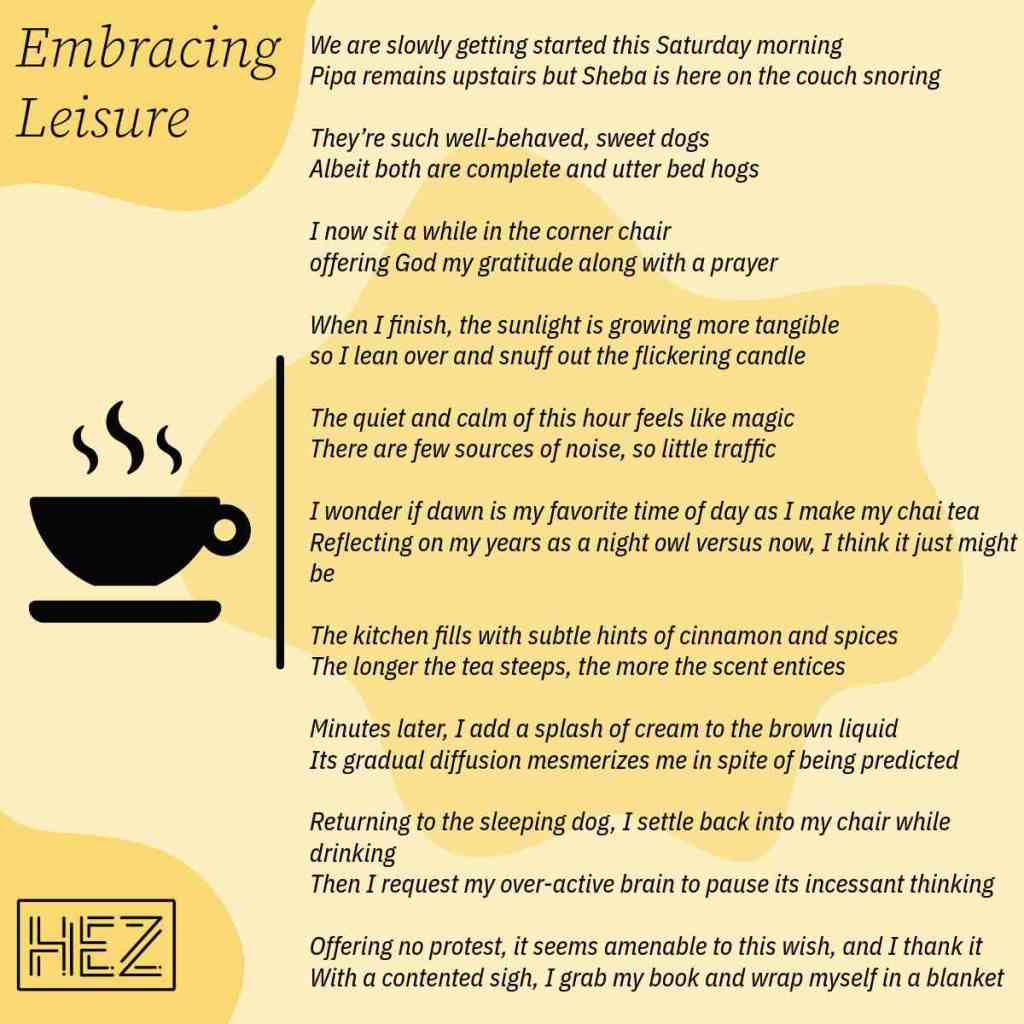
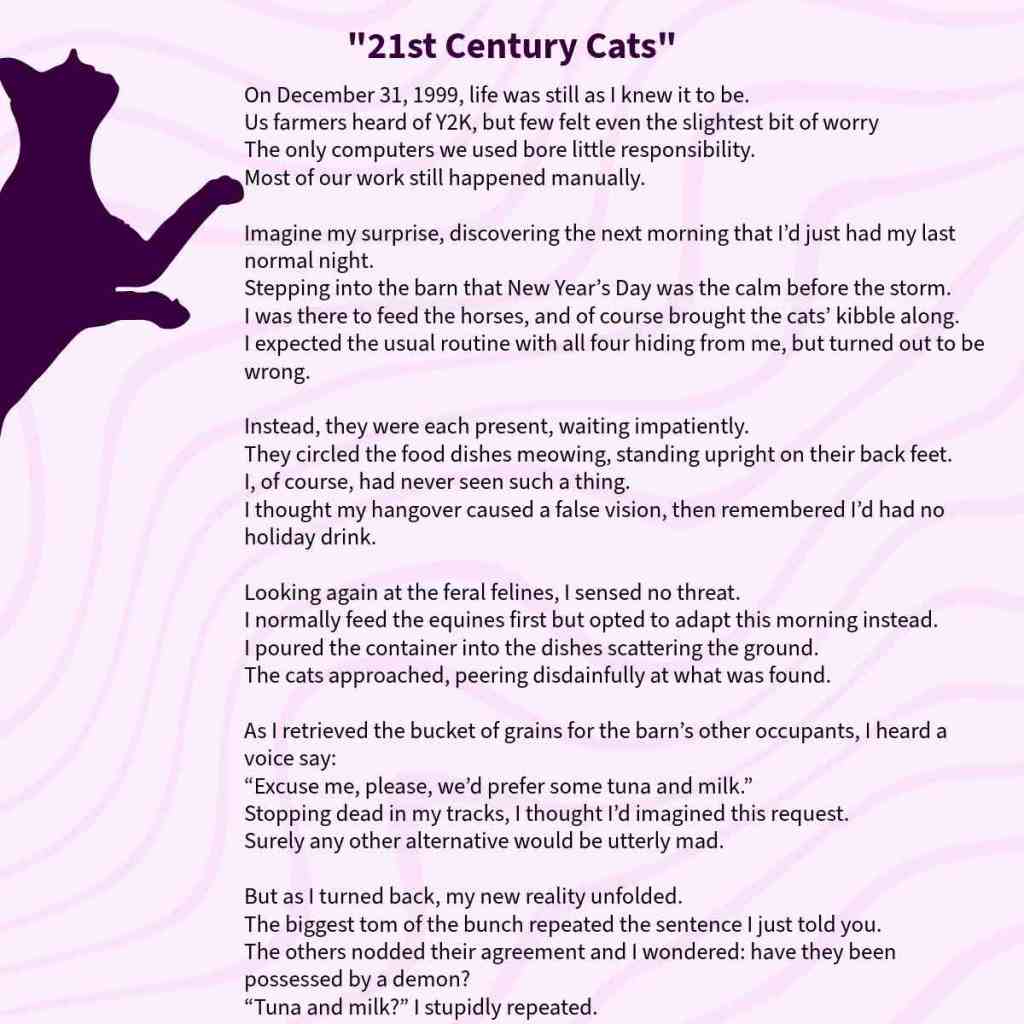
Another thing I really enjoy is the surprise and spontaneity of working with prompts—you truly can’t predict what will bubble up for you that day before reading the prompt and deliberating a bit. For instance, I never would have foreseen myself writing a poem about my car and the prompt to seek inspiration in a collection of postal stamps seemed unlikely to lend itself to anything too significant but actually elicited my longest poem to date.
If you want to keep up with the new works I’m crafting this National Poetry Month, be sure to give me a follow on Facebook or Instagram. And if you’re interested in taking a stab at some prompts yourself, cruise by the NaPoWriMo site!
Processing…
Success! You're on the list.
Whoops! There was an error and we couldn't process your subscription. Please reload the page and try again.
the findings, which included two confirmed diagnoses (ADHD and Unspecified Trauma- and Stressor-related Disorder) and two additional potential diagnoses (Autism Spectrum Disorder [ASD] and/or Bipolar Disorder)
In this post, I discuss what helped me stay focused on the bright side of the situation as I prepared to mobilize myself to learn more about these diagnoses and how to navigate them.
I already suspected three out of these four disorders at the time I got my evaluation, and I was already actively working on developing strategies to cope with ADHD. Still, I knew there was a long road ahead. Yet, life could not be entirely put on hold until I learned how to heal my trauma, better manage stress, and develop strategies that work with my neurodivergent brain. For this reason, I felt a bit overwhelmed.
It was immensely appreciated that the neuropsychologist I worked with offered me some reminders and positive reinforcement during my evaluation appointment and again afterward in the final report, which helped me keep the following in mind:
While there were areas I struggled in, this did not negate the many skills and talents that I possess. In many areas of the testing, my overall intellectual functioning was estimated to be within the high average range. I was, am, and (barring any unexpected tragic turn of events) always will be a smart cookie.
Regardless of what disorders I do or don’t have, I remain a self-sufficient person with low support needs. I’ve made it this far in life navigating a neurotypical world that was not built for the way my brain works. While it has not been easy, and I’ve experienced many bumps in the road, there’s no reason to think I can’t continue to find ways to function and hopefully, with the development of new skills and strategies, even thrive.
Many of the effective treatments for all of these disorders are things I was already experienced with or exploring, such as:
Organizational systems (e.g., calendars, to-do lists)
“Ms. Hackett is reminded that she demonstrated relatively intact cognitive functioning and that she has the ability to perform well in many areas of her life as well as in treatment. It is likely that she will notice improvements in her cognitive abilities as her emotional and behavioral health continue to improve.”
I also felt hopeful thanks to the research I’d already done on ADHD and Autism. While both disorders certainly create challenges that must be navigated, there is an increasing awareness of the ways neurodivergence can also be an asset or blessing. Some folks out there have even gone so far as to refer to it as a superpower, though many neurodivergents and mental health experts have mixed feelings about this verbiage. Semantics aside, there are many cool aspects of having a brain that is wired differently than most folks. I can’t wait to write more about my experience with and recognition of that.
Another essential thing that helped me take this news in stride was the love and acceptance from my support network. A growing number of my family members have received their own ADHD diagnoses. It’s perhaps no coincidence that many of my friends are also neurodiverse or questioning if they might be, given the speculation that neurodivergents tend to gravitate toward one another because our communication styles gel together more easily than with neurotypicals. My neurotypical connections were equally supportive, asking many thoughtful questions and offering loads of encouragement.
It was very grounding to recognize that a neurodivergent diagnosis isn’t all bad news, recall that I was not starting from scratch in learning how to create a more neurodivergent-friendly life in a neurotypical world, and to know that I was well-supported by a network of caring and empathetic folks. Yet I still received this evaluation’s findings as a call to action—the need for life changes was quite evident given the symptoms I was experiencing and how they were impacting my life.
In the future, I will describe the efforts I’ve undertaken since the eval to try and rebuild my life around this new information, how I attempted to suss out which (if either) of the two potential diagnoses were relevant, resources I’ve found helpful to learn about and manage my disorders, and ways I have leaned on support systems to buoy me throughout.
The Academy of American Poets began National Poetry Month in 1996. I’m stoked to join in the festivities this year, which further proves that I’m making strides in defeating my imposter syndrome as a poet.
I like to say that I became a poet by accident. In 2021, I was going through a tough time, and somewhere in the midst of it, I began scribbling little stanzas on scrap paper. I didn’t know where the inspiration came from because I’d never attempted to write poems before. In fact, I didn’t even like poetry that much. I’d read a few that struck a chord with me, but for the most part, I didn’t feel drawn to it or have poetry books in my reading rotation. My single attempt at taking a poetry course in college as part of my English major frustrated me with the tedium of analyzing poems. One particular selection annoyed me so much that a classmate and I wound up ripping that page out of our textbook and burning it after we completed the class discussion about it.
In spite of this past ambivalence, the scribblings kept pouring out of me—sometimes just a few lines, occasionally twenty. Some days, I’d ask myself what was happening—why was I writing poetry? But I had no answer, no voice inside that confessed to having secretly always wanted to be a poet. I just went with it, and eventually, the scraps of paper grew into a rather unwieldy stack, so I decided a poetry notebook was in order.
Around the same time as this upgrade, I began checking out poetry books from the library. I started with Adrienne Rich and found myself often sobbing as I flipped through her anthology. I revisited collections written by a friend that I’d initially bought simply to be supportive and found that the words were sinking into a different dimension of understanding and appreciation.
On one visit to the library, I struggled to find a particular title, so the guy at the Information Desk joined my search. I joked about being so new to poetry that I couldn’t even figure out how to locate the dang books on the shelves. He noticed my other selections were about meditation. He commented that poetry and mindfulness seem to go hand in hand, so maybe that’s why I was drawn toward it. An interesting observation, I thought.
In July of 2021, I felt inspired to resuscitate my other writing talents and began to pick at some nonfiction pieces. I hadn’t written anything outside of work-related content since finishing college in 2005 and finding any flow was arduous. For that reason, when I had writing time blocked on my calendar, I’d often wind up cranking out more and more poems as a diversion to whatever story or narrative I was supposed to be working on. Sort of like that whole cleaning your room to avoid doing your homework approach.
This trend continued for months, yet despite writing multiple poems daily, I still didn’t feel like I was achieving my goal of being a writer because I wasn’t creating nonfiction or fiction regularly. But I didn’t feel like a poet either because although I was producing many pages of poetry, it felt like garbage. I also recognized it as a diversion of sorts.
Eventually, things began to shift, though. One day, I wrote a poem, read it back to myself, and thought, “Wait a minute–I think that’s good? Is that good? That can’t possibly be good, right?” I began to have that experience more often, usually not with complete poems, but a line or two would stick out as actually having some promise.
Then, I read James Clear’s book, Atomic Habits, and learned about the value of repetition. We all know that the more you do something, the better you get at it. Still, given my situation, the example he shared about a university photography course resonated. The students were divided into two groups: the first would focus on quantity and be graded by how many photos they took; the second would learn as much as possible about theory and strategies, which would be used to inform their work on a single photo to submit. It turned out that all of the best images were taken by the “quantity” group, who were hands-on experimenting, testing different approaches, and learning from their output as they went along.
A similar mechanism seemed at play with my writing output. With fiction and nonfiction, I was so caught up in how to craft what I wanted to write, what sort of writing practice I needed to develop, and beating myself up for not making enough progress that I fell into the trap that James Clear so aptly described: “We are so focused on figuring out the best approach that we never get around to taking action. As Voltaire once wrote, ‘The best is the enemy of the good.'”
On the other hand, my poetry was under very little pressure. I didn’t think I was a good poet, and I was not invested to the same extent in becoming one. I didn’t even have plans to share my poetry. I just made space for the practice without any expectations, and it naturally began to improve.
“It’s not the quest to achieve one perfect goal that makes you better, it’s the skills you develop from doing a volume of work.
In other words, when you think about your goals, don’t just consider the outcome you want. Focus on the repetitions that lead to that place. Focus on the piles of work that come before the success. Focus on the hundreds of ceramic pots that come before the masterpiece.”
James clear
With this new appreciation for the simplicity of continually writing poetry in order to create better poems, I committed to writing at least two poems every day. Most mornings, my poetry notebook is the first thing I grab once a cup of tea is in hand. By the summer of 2022, I felt confident enough in a small collection of pieces that I decided to share them with a handful of friends for input about which, if any, seemed strong enough to attempt publishing.
With their helpful feedback and votes of confidence, I attended my first poetry open mic hosted by Melodic Movement at the Mudita Café in Arlington, Virginia. Overcoming my anxiety to read original works aloud to an intimate audience was no small feat. However, most of the folks present were also poets who planned to read, which made for a very supportive audience.
Buoyed by the positive experience in Virginia, I decided to suck it up and include a few selections on this website’s “Writing” page despite still feeling like a bit of an imposter pretending to be a poet. Midway through the year, I took another big-for-me step and submitted a few poems to Trailer Park Quarterly for consideration. Much to my delight, one was accepted, and in late 2023, I officially became a published poet with “Diviertas en tus Vacaciones!”
In the months since then, I’ve more actively sought out opportunities to further develop the craft. I joined Philly Poetic Resistance, which is a (mostly virtual) poetry-sharing group. The organizers identify optional monthly themes that provide a fun challenge to play around with, and the group’s members are incredibly affirming.
I’ve also begun attending more poetry events, including readings by other poets and a recent amazing presentation about strategies for editing poems. I’m also excited to now have two writing buddies with whom I regularly check in with for accountability and to workshop drafts.
I may never be able to quit my day job or even make a single cent as a working poet, but I’m glad I’ve continued to make space for this art form, and I am grateful for the awesome people I’ve met so far as a result. I am confident that I will continue to improve and get even more satisfaction from this journey from here on out.
In the first two installments of this mini-series, I shared why I got a neuropsychological evaluation, explained what they assess, and described my experience having one. Part three shared the findings, which included two confirmed diagnoses (ADHD and Unspecified Trauma- and Stressor-related Disorder) and two additional potential diagnoses (Autism Spectrum Disorder [ASD] and/or Bipolar Disorder) recommended for my care team to consider pending further observation and treatment. In this installment, I unpack some of my initial processing and feelings from receiving this news.
This series is named “The Relief of a Diagnosis” because I immediately felt relief (and still do) from finally getting a more definitive professional analysis of what is (and may) be going on with my brain. Like G.I. Joe always said in the series of PSAs often aired on television during the 80s, “Now you know. And knowing is half the battle.”
However, mingled with the relief, there were other complex feelings and thoughts to wade through. Like many people finally getting a late diagnosis for a mental disorder they’ve been suffering from for a long time, I couldn’t help but think about all of the “what ifs.” If I’d grown up in an era when it wasn’t so unheard of for females to have ADHD or ASD and gotten diagnosed sooner, would I have struggled less throughout my lifetime? And assuming so, where would I be now instead of where I am? Would I have:
experienced less depression, anxiety, and trauma?
helped my countless relatives from younger generations get their diagnoses sooner and aided in navigating these disorders instead of vice versa?
developed healthier relationships with friends, family, romantic partners, colleagues, and acquaintances over the years?
dreamed bigger and accomplished more of my goals?
While my mindfulness practices taught me to be aware of these thoughts and not suppress them lest they take root further, I didn’t want to linger in them too long. I’ve always been pragmatic, so I wanted to focus on the present, direct my efforts toward the here and now, and prepare for the future. There is no going back; no benefit in lamenting the coulda, shoulda, woulda beens. I can’t change what happened, but I can develop strategies and skills now to lay the groundwork for a better future than the one I’d have otherwise had. Better late than never, y’know?
But before I could go into problem-solving and action mode, I knew there was other emotional work besides the occasional drifting into hypotheticals about days long gone by. The fact is, I had some potent trepidation; perhaps it is even fair to say I felt terror. While there were many tumultuous events, difficult circumstances, sources of instability, and unpleasant feelings weaved into my life, I always felt like I could rely on my brain and mental capabilities no matter what was happening. My intellect helped me make sense of and rationalize my experiences. It allowed me to learn, grow, and sink into any topic I felt passionate about with fervor. I truly enjoyed being a constant learner, which gave me purpose. I admittedly gained much of my self-concept from others’ validation and recognition of my intelligence as well.
My brain was also my greatest asset as I attempted to perform the nearly impossible feat of pulling myself up by my bootstraps, as they say. Growing up, I knew we had limited money. While I was encouraged to go to college from an early age, it was evident that I was on my own to figure out how to get there and pay for it. I pressured myself to maintain stellar grades at every level of my education, an aim that was nearly always realized. In countless other arenas of life, I also relied on my combined book smarts, social skills, creative thinking, discipline, and unwavering commitment to get me wherever I wanted to go. And as my body betrayed me time and time again — with situations like extended bouts of mono or pneumonia, mysterious stomach maladies, the sudden onset of Vocal Cord Dysfunction, or the long road to recovery after being hit by the bus — I learned to rely even more on my brain as a part of myself that stayed functional, consistent, and held it down.
With this lifetime of counting my mental capabilities as my most considerable saving grace in a relatively precarious life, to see on paper in black and white that this brain of mine actually had not just one, but at least two, and probably three disorders was destabilizing despite being fairly prepared for the news. I couldn’t help but think: If I can’t rely on my brain, what can I really count on about myself or in this life? Furthermore, how did knowing these disorders were present all along change my self-concept and my perspectives on my life up until now?
“Some people with mental health conditions experience relief and hope when they get a diagnosis. Others may feel like a diagnosis is “just words.” You may even feel several competing emotions at the same time—relief at having a name for the things bothering you, but fear and anger that you have an illness.”
National Alliance on Mental Illness (NAMI)
I needed to grieve. I recognized early on that my childhood was difficult and exceptional in many ways. I understood that I didn’t have the security and stability that some kids grow up with. I was well aware of the sources of trauma in my life. I knew that I had big emotions, occasionally experiencing long stretches of dark periods where “my smile would fall off my face,” as I referred to it. But there clearly were gaps in what I could understand of myself or my experiences in absence of these diagnoses for so long.
As I waded through countless recollections of times growing up when I exhibited what I now know were symptoms, my heart broke for Little Heather. She didn’t realize that she processed life and thought so differently than others, so when she didn’t fit in or got feedback that her choices or actions were wrong or weird, there was no comprehension of why. When her messy room, tangly hair, and constantly misplaced or lost belongings earned the ire of all the adults in her life, she felt ashamed and didn’t understand why she couldn’t just care for things like a good kid. As teachers repeatedly moved her seat in class for talking too much or made her stay inside during recess because she forgot to get her mom’s signature on school paperwork for the jillionth time, she felt like an idiot for failing to get her act together.
That poor child had no idea what was going on. She carried the resulting baggage into her entire life – sometimes feeding my rebellious side that decided to reject the notion of ever fitting in, other times contributing to people-pleasing tendencies, perfectionism, and so on. In fact, I found so many clever ways throughout my first forty years of life to mask and overcompensate for symptoms of my undiagnosed disorders that no one, including myself, recognized how much I was struggling and, at times, suffering. However, these self-made strategies could only carry me so far as more complicated and turbulent challenges and life changes came my way. And many of them were unsustainable and came at a great cost to my mental health and self-image.
The mood and emotional regulation issues I’ve been working through since 2018ish were heightened from stress. Still, they were always there and will remain something I must navigate. The challenges I’ve faced with productivity, task completion, and burnout since 2021 have been exceptional but also not entirely novel. I will have to find new, healthier ways to navigate my brain’s wiring in the future to successfully reach my goals or achieve my dreams.
But certainly, it will be easier to make changes and cultivate patience and understanding with myself now that I know what I’m working with. And at least to an extent, I was not entirely surprised by the diagnoses. The part of the report explaining the rationale for confirming I had Unspecified Trauma- and Stressor-related Disorder felt like a “Well, yeah, of course,” sort of moment.
If you’d told me a decade, or even five years ago, that I had ADHD, I would have been surprised because I grew up in an era where it was supposedly uncommon for girls to have and wasn’t associated with kids who were in the gifted program, like I was. But by the summer of 2023, I’d have been more shocked if the testing didn’t confirm it.
I first began to learn more about ADHD in the early 2000s as a result of my nephew’s diagnosis and both of my nieces thinking they had it. To be supportive, I investigated it occasionally. I grew surprised by the ways the symptoms differed for girls and boys and how the medical community’s presentation of the disorder had changed since I was a kid. I saw elements of it in myself, yet it didn’t feel spot-on and I only began to suspect it as a possibility in 2020 when I started seeing more depictions of the emotional regulation issues.
This visual prompted my first twinge of “hmmmm, I wonder if maybe…?” Among other things, I was too organized, rigid, and into schedules, planning, structure, and routine to match the ADHD profile. Other autism symptoms that don’t impact ADHD’ers also resonated with me. As I investigated further, I became suspicious enough to raise the possibility to the neuroscientist performing my testing.
In terms of curveballs, Bipolar Disorder was the only aspect of the eval report to really raise an eyebrow. I was familiar with the disorder because a few people I know have it, including one relative. But the little I knew about it didn’t seem connected too closely to my situation, and I felt surprised. As is so often the case with things we don’t understand well, I experienced anxiety about this possibility. However, I was able to talk myself through keeping an open mind about it because until I learned so much about ADHD, I never would have guessed it was something impacting my life. I recognized that Bipolar could easily be the same deal.
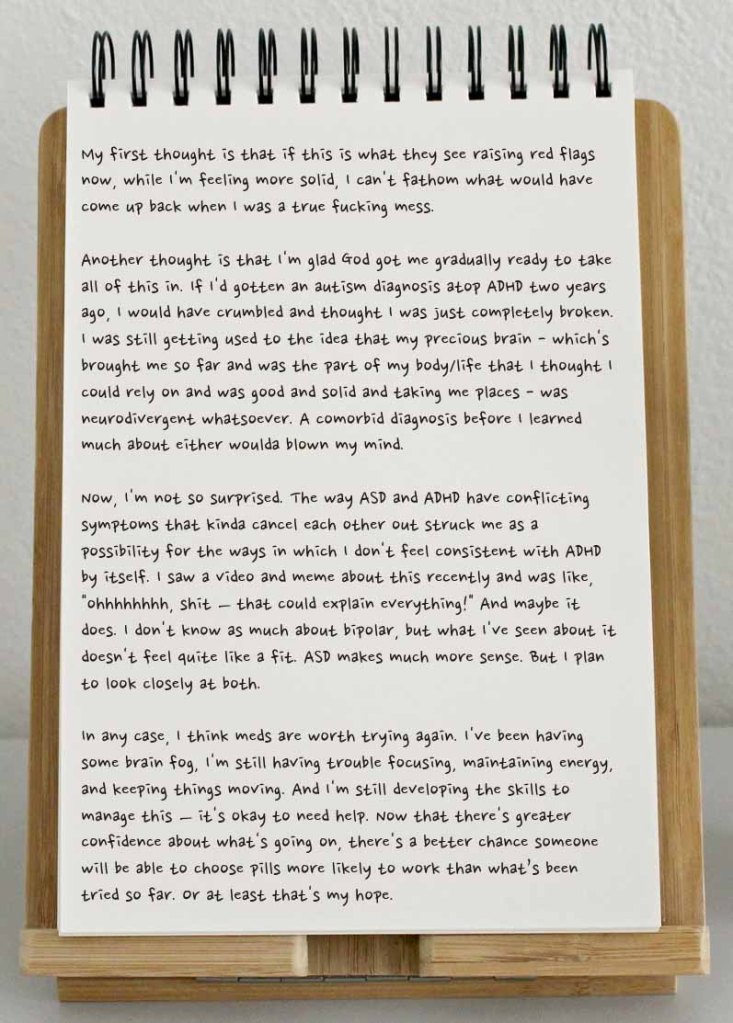
I’ll close out with this excerpt from my journal on September 7, 2023, the day that I received the evaluation report:
First, some framing is necessary. Many disorders have overlapping symptoms and trauma-related symptoms can also mimic mental disorders, so a neuropsychologist may forego treating an evaluation’s results as a conclusion.
They might instead express the need for a patient’s care team to use the data collected to inform ongoing diagnostic work and treatment plans. On the other hand, a patient with apparent symptoms that align with brain functioning in specific ways and neatly line up with a single disorder may get a singular result.
There are also folks who arrive with a suspected diagnosis from long-time providers and receive a confirmed diagnosis after testing that otherwise would not have been possible in absence of their prior treatment. This is especially likely in the case of a disorder like ADHD, which is most often diagnosed by mental health practitioners based on reported and observed behaviors since there is no single test that can diagnose it.
My point with these observations is twofold: First, be aware that you may not need an evaluation to receive a diagnosis. Second, know that expecting an evaluation to provide all the answers you’ve been looking for may lead to disappointment.
This testing is typically just a piece of the puzzle. With or without it, you’re still going to want to work with other mental health professionals (e.g., psychiatrist, counselor) to figure out what’s going on with you. Even if you end up with a clear-cut diagnosis, this remains the best path forward because trained clinicians can help you understand and manage the types of disorders that an eval may reveal. While you certainly can try to go it alone, the journey will be far more difficult.
The Verdict
As suspected, the results of my evaluation rendered a high enough level of confidence that I received a confirmed ADHD diagnosis (combined presentation – moderate). Some of the factors contributing to this included:
Several issues reported during my interview that were then observed throughout testing, such as:
significant difficulties in inattention and memory, with symptoms suggesting a predominantly inattentive presentation.
Other symptoms I reported as frequently present, such as:
over-extending my capacity and feeling stretched thin and ineffective, leading to feelings of overwhelm.
tendencies toward significant impulsivity, energy, and hyperactivity.
emotional regulation difficulties (e.g., heightened, rapid, and intense mood swings).
“Her personality style is likely to be adventurous, risk taking, and impulsive.”
It’s of note that the Diagnostic and Statistical Manual of Mental Disorders, 5th edition (DSM-5), which is the reference point that most mental health professionals use in the US, doesn’t include deficient emotional self-regulation (DESR) as a symptom of ADHD. However, DESR has become more widely accepted as a core aspect due to scientific research documenting that 25-45% of children and 30-70% of adults with ADHD experience it.
The emotional regulation issues I experience are likely not just a result of ADHD, though. Throughout the interview, the doctor noted that the stressors and trauma present throughout my life have been exceptional. At different points in collecting details of recent events, he sought clarification that everything I listed was just in the past three to five years and freely commented on how dramatic the cumulative happenings were. Then, as he learned about earlier complex trauma from childhood and the whole getting hit by a bus thing in my twenties, he repeatedly echoed his feedback that I’d been through a whole lot of shit for one person.
While it was validating to hear a mental health professional affirm what I’d often felt – that my life was in-fucking-sane at many points – it presents a challenge for diagnostic work. In some cases, trauma may manifest in ways that get mistaken for symptoms of other disorders and lead to misdiagnosis; or, on the other end of the spectrum, it can lead to mistakenly attributing symptoms to the trauma and missing a primary disorder. This is especially common with diagnoses like depression, anxiety, post-traumatic stress disorder (PTSD), ADHD, autism, bipolar, and many others.
For these reasons, there was a prominent significant disclaimer noted in the conclusion and recommendations of my report: “[The patient] described a somewhat complex history including complex childhood trauma, mood instability, heightened energy levels, interpersonal concerns, and periods of significant anxiety. Given this, her treatment may require some trial and error in order to be the most effective and fully establish diagnosis.”
Most folks are familiar with PTSD, which can arise after a singular traumatic incident. There’s less awareness and recognition of Complex PTSD (C-PTSD), which is related to a series of repeated traumatic events or one prolonged, ongoing event.
“C-PTSD can happen to anyone who has been exposed to long-term trauma, but it is more often seen in people who experienced trauma during an earlier stage of development, or were abused by someone they thought they could trust, such as a caregiver or protector. Because of this, often the impact on the nervous system around attachment or relationships becomes more deeply ingrained.”
C-PTSD is actually not yet included in the DSM-5, so the label I instead received was “Unspecified Trauma- and Stressor-Related Disorder.”
“[T]his complex trauma likely impacts her current and historical presentation…it is also likely that this history of concerns has exacerbated her emotional difficulties and any diagnoses she has been provided presently or in the past.”
The report goes on to cite research suggesting that trauma can mimic many other psychiatric disorders and therefore they were not providing additional diagnoses due to the complexity of my symptoms. However, they noted that the findings of my testing were “significantly above established thresholds consistent with Autism Spectrum Disorder-related symptoms.” Further, several aspects of my self-reporting reflected sensory motor issues, social anxiety, an interpersonal style that may be somewhat distant, and circumscribed interests, which are restricted and repetitive behaviors that occur commonly in individuals with ASD.
There were also elements of hypomania and/or mania present in my interview and self-report measures on the questionnaires. These are conditions in which a person displays a heightened level of energy, activity, mood, or behavior beyond what is typical for them. While these elevations may be a result of ADHD and/or current stressors, they are often experienced by people with bipolar disorder.
In regard to my potential for ASD, bipolar, or other disorders, the report concluded with a recommendation that providers familiar with me monitor my mood and presentation, as well as assess whether symptoms persist upon treatment over a more extended period.
As the title of this series alludes to, there was relief found in reviewing the report and getting a better idea of what is – and might – be going on with me. Knowing is half the battle, right?
That said, gaining both new and potential diagnoses also opened up several cans of worms. In the next installment, I will share more about how I felt receiving this news, some of the processing experience, and updates about how my life has changed.
In Part 1 of this miniseries, I wrote about what led up to my decision to get a neuropsychological evaluation. Now, I’ll explain what the testing’s purpose is and describe my experience.
First, it’s worth noting that there are both neuropsychological assessments and evaluations. A major difference between them is the length, with assessments being far shorter. While assessments can be helpful, they often aren’t robust enough to provide official diagnoses. The results of an assessment will be adequate for some folks, e.g., if they’re just looking to rule out or confirm something their care providers already suspect. However, a desire for more thorough testing following an assessment may remain since they collect less comprehensive data. Getting a complete evaluation is also beneficial for folks seeking disability benefits; in some cases, it may even be necessary.
Second, some words of warning: Unless a neuropsychological evaluation is deemed medically necessary to make a diagnosis, most insurance companies will not cover the service. This impacts cases of attention and learning issues, i.e., my evaluation was not covered because the primary investigation related to ADHD. Unfortunately the out of pocket cost is likely to run between $2,000-4,000, possibly more if the provider you work with has multiple consultation visits before and after your testing.
Also be forewarned that there is high demand for these services and limited practitioners. In many rural areas, it’s impossible to even find a provider. In Southwestern Pennsylvania, there is only a short list of companies to consider. The first two I called limited evaluation appointments to their existing psychiatric clients. Others offered to put me on their waitlist, meaning in 6-12 months they’d call to schedule me for another 6 or more months out. Once I finally found a provider willing to work with me – shout-out to Dr. Glen Getz at Neuropsychology Specialty Care! – there was still a five-month wait until the appointment.
Background on Evaluations
Clinical neuropsychologists have expertise in the applied science of brain-behavior relationships. They examine patients with possible neurological, medical, neurodevelopmental, psychiatric, and cognitive conditions.
The evaluation looks for the strengths and weaknesses of a person’s brain. The testing can also illuminate whether the patient’s performance reflects normal or abnormal central nervous system functioning. A practitioner can identify how neurocognitive processes relate to an individual’s behavior and determine what difficulties are encountered for what reason(s).
Neuropsychological evaluations may determine the cause of issues related to:
Intellectual abilities
Learning abilities
Sensory processing functioning and speed
Motor function and deficits
Executive functions, such as organizing and planning, time management, multitasking, self-control, and problem-solving
Behavioral concerns
Hyperactivity and inattentiveness
Language abilities, delays, or difficulties
Visual-spatial skills
Abstract reasoning and analysis
Information processing
Memory
Mood
The Evaluation Process
While assessments may take one to three hours, a full evaluation is an all-day affair.
Mine began with about two hours of interviewing, which included many follow-up questions to responses on a questionnaire submitted a week before the appointment. We first talked about general medical history and any psychological care received by myself and my family.
The remainder of the time was a deeper dive into exploring what:
Traumatic events occurred throughout my life
My academic and work performance was like
Symptoms/issues that prompted me to pursue testing
History I had with similar symptoms or issues in my life
Types of life changes I’d experienced recently
Concerns I had about my brain functioning, emotional well-being, and mental health
Types of treatments I’d already explored
Following the interview, there were nearly six hours of testing. Some of the activities reminded me of the multiple-choice standardized tests from high school (e.g., the SATs or the Armed Services Vocational Aptitude Battery). In contrast, others felt more like puzzles and games.
Below are some of the activities I completed throughout my appointment:
Memorizing lists of words and numbers.
Reorganizing a list of words and/or numbers following specific rules – e.g., taking a series like “A 9 Z 2 J 7 L 4 E 1” and reordering it in alphabetical and numerical order, so: “A 1 E 2 J 4 L 7 Z 9.”
Naming as many words as possible that begin with a particular letter in a timed period.
Defining lists of words and guessing the meaning of words I did not recognize.
Explaining what two words have in common – e.g., cats and dogs are both pets.
Timed math problems.
Drawing a diagram while looking at it, then drawing the image from memory 15 minutes later.
Listening to a story and listing as many details as possible, then telling the story 15 minutes later from memory to the best of my ability.
Being shown several images sequentially and predicting which of four options would be next.
Reviewing over a hundred descriptions of behavior, mental functioning, and emotional regulation, and identifying which were true for me as a child, currently, or both.
Identifying whether I agreed with various described attitudes and beliefs all, some, or none of the time.
The practitioner took copious notes throughout my testing. Data was collected about my accuracy in answering questions and the speed with which I navigated activities. My posture, tone of voice, facial expressions, eye contact, body language, and other aspects of my demeanor were also observed.
At times, it was obvious what areas of my brain functioning were under scrutiny. However, I felt uncertain about a few things I was asked to perform. I even wondered if some sections were intentionally nonsensical to assess how I’d navigate ambiguous or abstract situations.
It’s common for people to wind up exhausted after a full day of neuropsychological testing. Some folks also get frustrated or mad if the activities don’t make sense to them or involve skills they aren’t strong in or dislike. Although I enjoyed most of the “brain games” and needed few breaks, I got extremely annoyed with the second to last test, which was a game where I wasn’t given any guidelines on the rules or how to play.
On each turn, I was shown a card and told whether I chose the “right” or “wrong” answer among four options. After a few rounds, I figured out the trick and was delighted to get five in a row correct. Suddenly, though, I started getting wrong answers again and grew confused. I cautiously chose my subsequent few responses and once again unlocked the key, or so I thought because I got several consecutive answers correct using the new logic.
Having realized the game’s rules would periodically change, I stayed on guard and quickly pivoted my approach as needed. This worked great for many rounds, then things seemingly went haywire. After nearly a dozen in a row that I guessed incorrectly, no matter what logic I applied, I grew suspicious that now the game had no rhyme or reason, and I was just being told anything I chose was wrong. So, I finally quit trying and gave random answers until the game concluded. I’m still intrigued and wonder what was going on in that activity!
I went into the evaluation unsure what to expect and it turned out to be a fascinating experience. Five weeks later, I received an in-depth report with observations and feedback from the clinical team about my engagement and performance, plus a list of confirmed and potential diagnoses. Stay tuned for the next installment to find out what I learned.
Processing…
Success! You're on the list.
Whoops! There was an error and we couldn't process your subscription. Please reload the page and try again.
Since 2021, when I became more serious about someday releasing creative work, I began to consider using an alias. It felt like a strange notion to me in some ways, especially given how prevalent nonfiction works would be in the mix. I wondered if there was still authenticity in opening myself up to share true stories if I was only comfortable doing so with a fake name? On the other hand, many creatives go this route for plenty of reasons besides being secretive.
Some are motivated by marketability and think a moniker will be catchier or more memorable than their birth name. I don’t think I’d decide based on that criterion; however, it also isn’t a concern for me since my birth name has alliteration and a ring to it. Someone actually hit the big time with my last name, so there’s already precedent for us Hacketts to have success branding ourselves.
Others are inspired by a desire for anonymity, which I can respect and identify with. One of my idols, Maynard James Keenan, spoke in his biography about tactics like wearing different hairstyles while touring or doing publicity, which, along with his pseudonym, helps him often go under the radar in daily life. He especially appreciated this when out publicly with his kids, whom he did not want to be subjected to every outing turning into a celebrity sighting photo op or being diverted by fans requesting autographs.
While I’m hardly positioned for the paparazzi being a concern, I dread being perceived by the general public in any fashion. Many professional situations have required me to do public speaking and television appearances, but it’s never felt comfortable. I imagine my uneasiness may increase when sharing creative projects.
Beyond the general discomfort I anticipate experiencing if I ever become anything resembling a public figure, along with recognition comes the inevitability of outspoken critics. There’s also the difficulty of maintaining tact, patience, and kindness when dealing with pushy or insistent people who feel entitled to your time and energy at any given moment.
Like Maynard, the idea of folks approaching while I’m out getting groceries or tracking me down at home as I attempt to unwind is a big no, thank you! I saw a picture some years ago of Beyonce on a bike; the caption said that she enjoys riding because people often can’t figure out that it’s her, affording her rare unidentified moments in public. To me, that lifestyle sounds like a nightmare!
“It’s amazing how I’m able to ride around on a bike. People kind of see it’s me but since I’m on a bike, they think, “No, it’s not her.” And by the time they realize it’s me, I’m already gone. It’s great to do something normal every day. It keeps me grounded.”
Beyonce
While the chances of rising to such prominence that I encounter the challenges of recognition are slim, I continued leaning toward adopting an alias and figured it was worth considering what I would use. At first, brainstorming reinforced my reservations because every idea felt utterly baseless and contrived. I even shied away from names with which I had meaningful personal connections, like incorporating beloved deceased relatives’ names or harkening back to long-dead ancestors. It still felt too odd and not at all ME.
Then, one day, it struck me: why not use my childhood nickname? This bubbled up many mental arguments for and against. From age five through early double-digits, Hez was the primary name my family used to address me. It originated with my younger cousin, who could not quite grasp how to pronounce my name and kept addressing me as “Hez” and “Hezzer.” Everyone found it so cute that it quickly stuck and even resulted in spinoffs, such as “Hezzy” and “Hezzy Bear.”
While Hez feels more authentically like ME than anything else I came up with, I worried it was infantilizing. This concern dissipated when I thought through the fact that strangers reading it on a byline or album cover would not be conjuring up the memories I possess of trying to shake off the nickname throughout my tweens to assert my adulthood. As I bounced it off of friends and acquaintances, the consensus was mainly that no one had any association with the word, neither good, bad, young, old, hip, lame, or otherwise.
It seemed neutral enough to work with, so the next decision was whether to use a real or fake last name, or nothing at all. The latter appealed to me the most, yet it also evoked a strong sense of imposter syndrome. Pop stars and divas like Beyonce, Tiffany, Madonna, Adele, and Cher most readily came to mind as folks rocking single-word monikers. Who did I think I was trying to pull that off?
I was stuck on this line of thought for months and began making myself crazy with indecision. My therapist eventually talked me out of letting it thwart me. She observed that many creatives change their monikers multiple times as they develop their crafts, so there was no reason to feel like I had to stick with Hez forever if it felt wrong in a few weeks, months, or even years. With that reassurance in mind, I allowed myself to move forward and play it by ear.
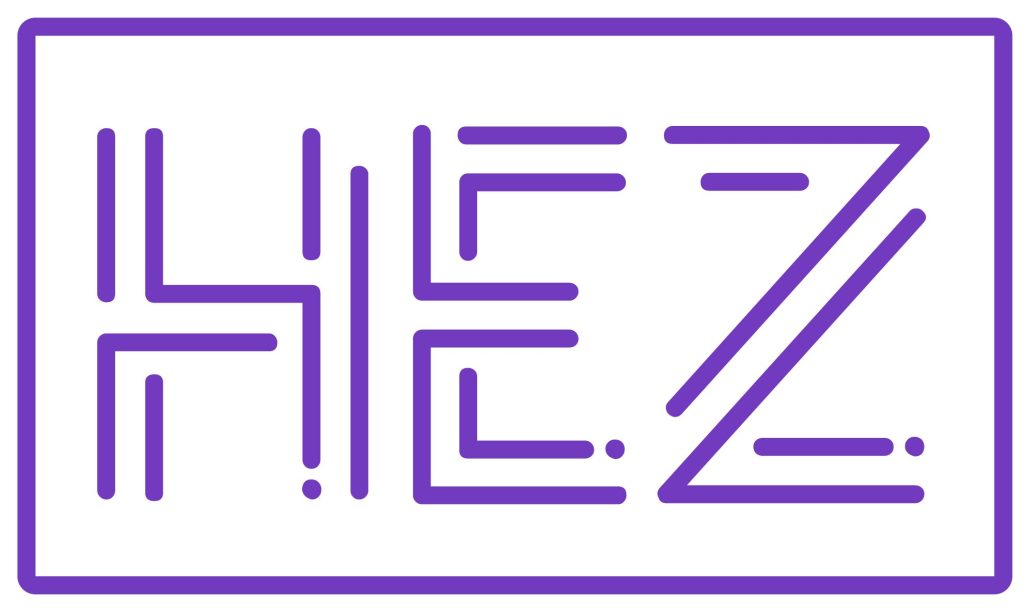
I’ve become more comfortable operating with this alias in the year since, and I’m now doubling down on Hez: it is with great pleasure that I am unveiling my brand new logo!
Damn, look at how official and fancy I am!
My appreciation goes to the designer, Traci Hafner, who was so fabulous to work with. She doesn’t have a website promoting her work, but I will gladly make referrals to anyone looking for a fantastic graphic designer.
I’ll also close out with gratitude for the many friends and family members who graciously tolerated their recruitment over the past two years into workshopping my use of the name and offered feedback on preliminary drafted logo concepts. Although I’m trying to develop my intuition, discernment, and confidence when it comes to cultivating my talents and presenting my creative work, all creators can benefit from having thoughtful and honest folks to bounce things off of. I’m fortunate and appreciate all of yinz!
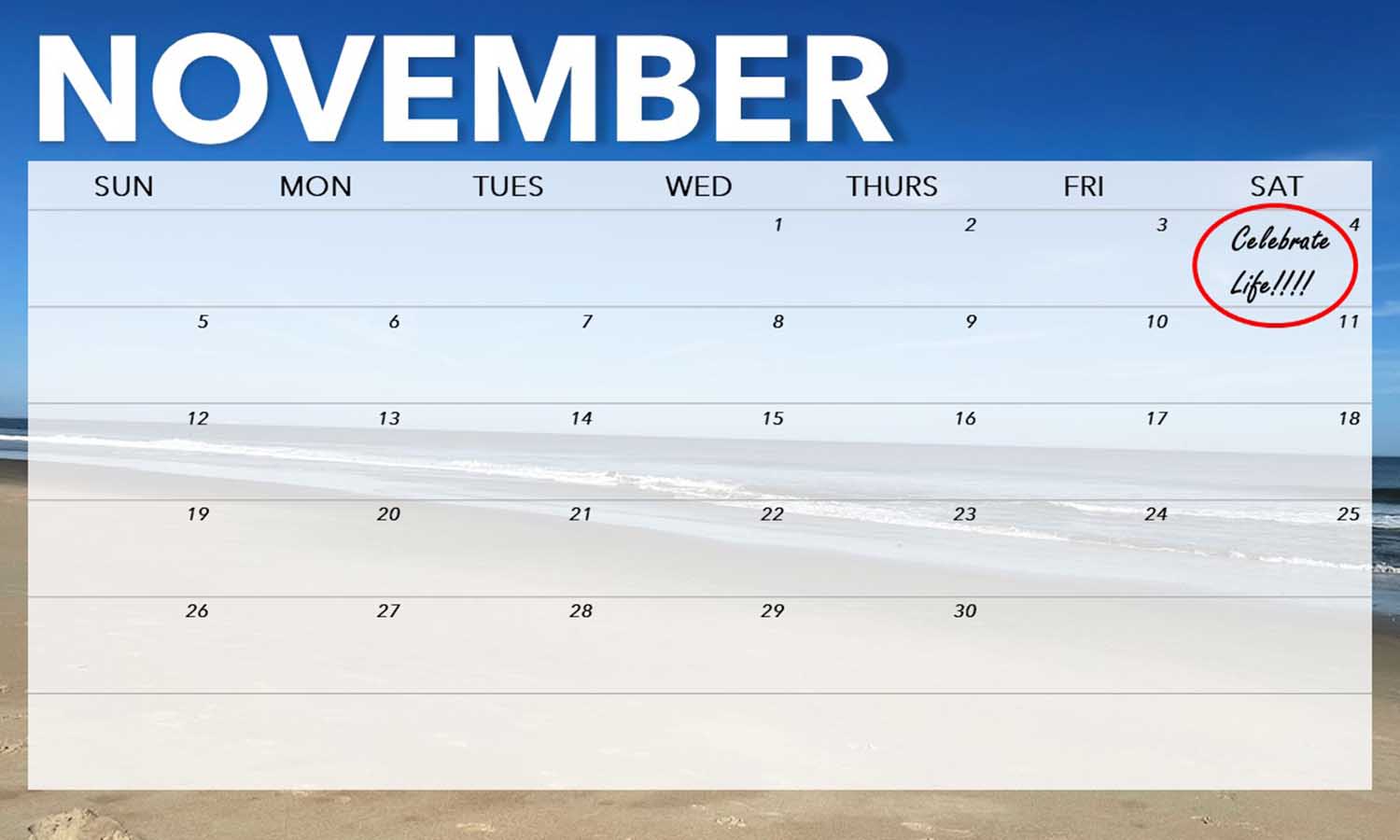
On November 4, 2008, I got hit by a bus while walking in a crosswalk. (You can read more about this incident in Part 1 of this series.) That makes today the 15th bus-iversary, which is blowing my mind. It’s hard to believe that it’s been so long, yet I can distinctly recall many of the November Fourths that have come and gone since, which helps conceptualize the passage of time a bit more when I really think about it.
Part of the reason this date is so memorable each year is because I always make a point of doing something to celebrate my life. It’s often something fun and social, like a concert or a nice dinner out on the town. Occasionally, I’ve planned trips around it, such as my 2019 visit to the Indiana Dunes or heading to the ocean thanks to a house-sit in Virginia Beach last year. Sometimes, I go a lower-key relaxation route by splurging on a massage or facial. Other times, I’ve lined up difficult things to coincide with this date to help me remember that I am strong and resilient as I take on the challenge. This is why I had my tooth extraction and smoking quit date scheduled for November 4, 2011, which you can read more about in this post from October.
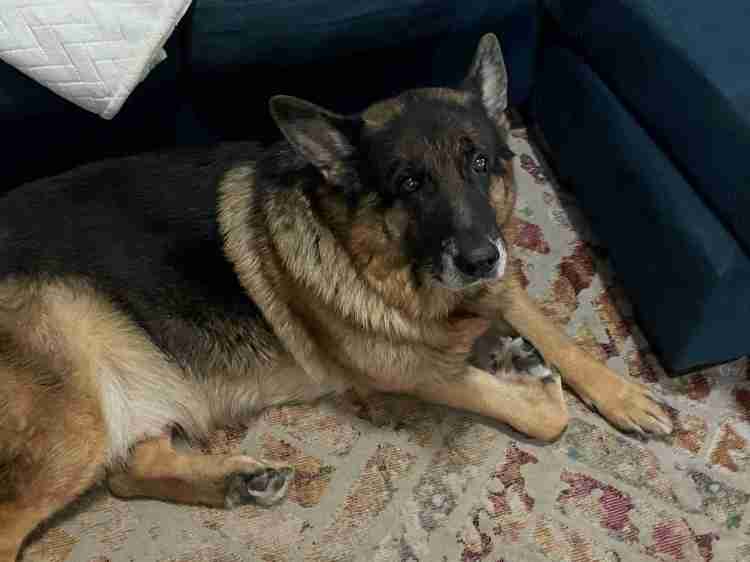
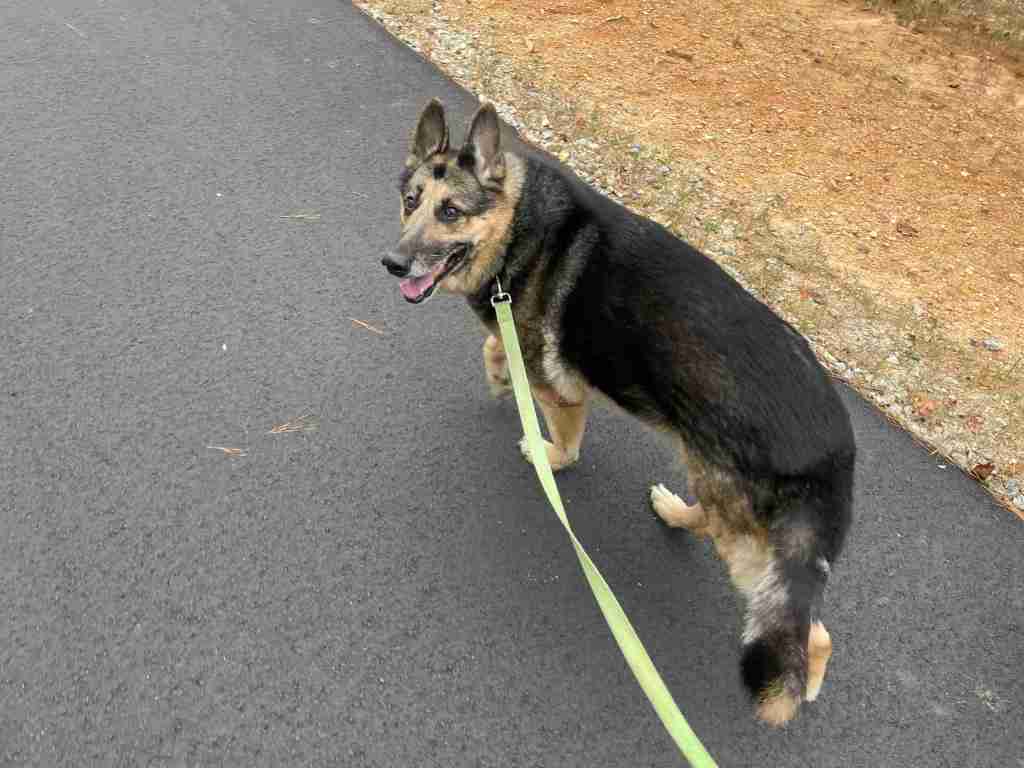
This year, I’ve decided to begin with my monthly DIY Mindfulness Retreat, which will include meditation, mindful movement exercises, and lots of journaling. After that, I’m heading out for a hike at a 563-acre nature preserve on the outskirts of Raleigh, North Carolina. Then, I’ll wrap up the day reading and snuggling the fabulous German Shepherds I’m pet-sitting this week.
In the past year, I have become increasingly grateful for my life each day. This is, in part, thanks to the gratitude practices that I wrote about back in July, which help me keep appreciation at the forefront of my life. It’s also because I have been doing so much inner work this year and feel like I’m finally breaking through some blockages and realigning with my authentic self and purpose.
I see today as an opportunity to take stock of the growth I’ve experienced lately and renew my energy to continue carrying this work forward. I can’t think of a much better way to celebrate the privilege of being alive than to reflect with intentionality and recommit to everything I’m trying to build in whatever time I have left on this earth.
First, let me say that I am not here to make you feel bad about your nicotine habit if you are currently smoking or vaping. While I’m adamant that quitting was the best decision I ever made, I don’t think you have anything to be ashamed of, whether you have tried and failed a million times, never tried, or don’t plan to stop.
This post celebrates my upcoming quit-iversary (November 4, 2011), shares some things I learned from my experience in case they’re in any way helpful to others, and links to some resources for folks who are considering taking this step.
Getting Hooked
Although my youngest niece was alive when I quit smoking, she does not recall that season of my life whatsoever. When I referenced it once, she was shocked to hear I’d been a smoker, a typical response from people who met me afterward. This is, in part, because I am nowadays extremely triggered by cigarette smoke and cannot tolerate being around it.
The other reason me being a long-time heavy smoker surprises people is because of how active I am between my love of hiking, biking, swimming, and typically being a regular exerciser. It’s hard to wrap my head around now, but I used to pause hikes and walks for a nicotine break. Or light up a ciggie immediately upon exiting the gym. Even at the time, doing something positive for my health and then segueing to a cancer stick struck me as absurd – but it is better to do the good thing for your health followed by the bad thing than to not do the good thing at all, right?
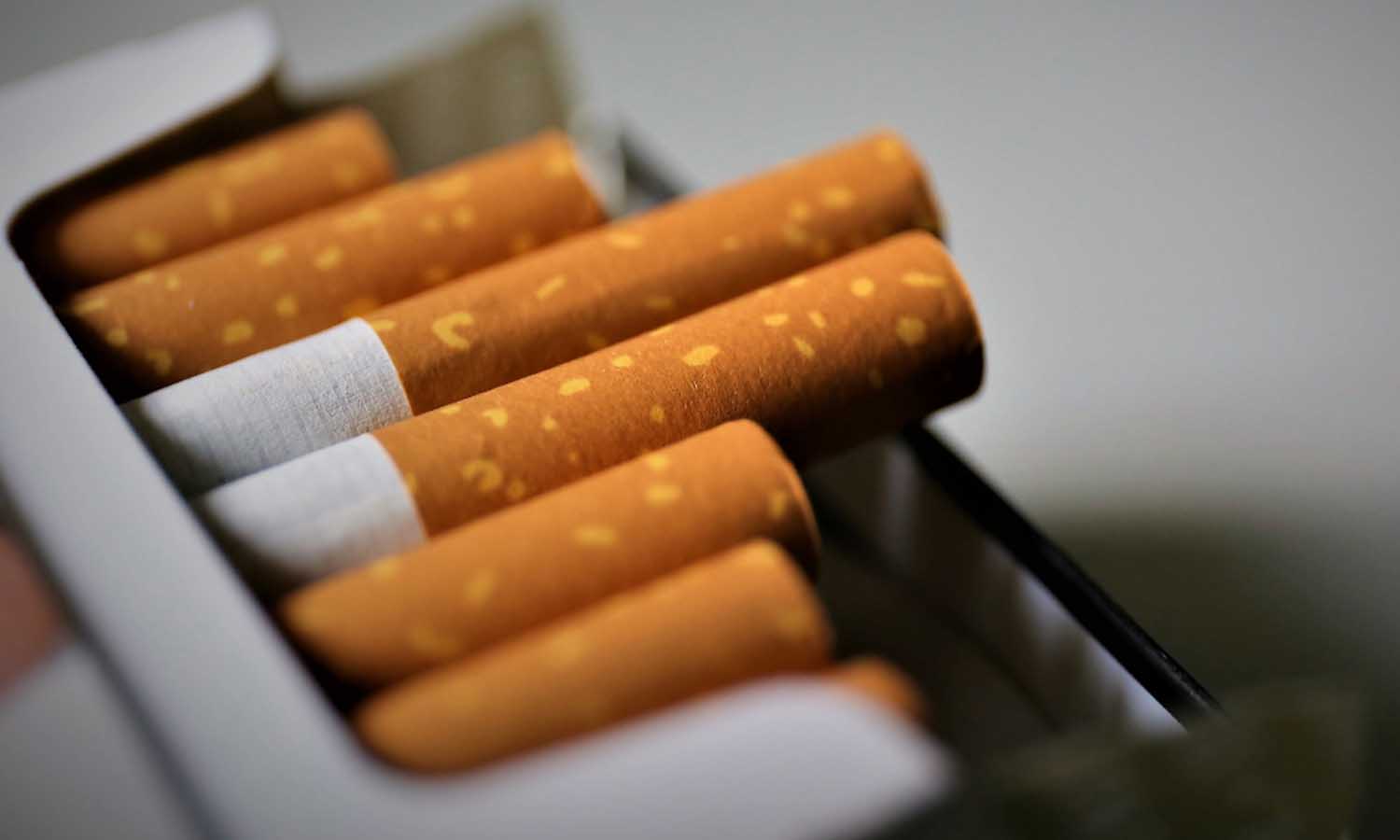
I wasn’t just a casual smoker. It wasn’t a weekend treat or limited to social occasions. I became a pack-a-day person at age 14. Nicotine is one of the most addictive substances that humankind has ever encountered, and one reason for that is that it’s also one of the most accessible. Yes, there are cost barriers, social stigma, and rules about where you can/can’t partake, all of which became more pronounced since I quit in 2011. Nonetheless, it’s still legal to smoke, easy to purchase cigarettes, and rarely impossible to find a place permissible to light up.
Another reason smoking is so easy to get hooked on and difficult to quit is because of the associations that smokers create between the habit and everyday life activities. I was someone who automatically followed each meal with one. Who needed one as soon as they woke up and right before they went to bed. One time, when I tried to quit, I did great for a few weeks; then, the first time I drove my car, I immediately caved and bought a pack because it felt impossible to take on the 2.5-hour trip without one. It becomes a ritual, which wires it into our brains as an expected activity anytime we perform the associated tasks.
This wiring is all the more stubborn and resistant to budging if you began your nicotine habit as a teenager. A four-decade study found that when young people start smoking, they’re more likely to develop higher levels of nicotine dependence and experience more challenges when kicking the habit than those who start later.
For folks who never smoked and find the habit disgusting, it’s easy to overlook another reality of cigarettes: they’re enjoyable! The nicotine in cigarettes releases several neurotransmitters in the brain, including dopamine. Dopamine promotes positive feelings and also helps to reduce negative feelings caused by stress. This chemical aspect of the habit is especially relevant to folks with mental health issues and disorders that result in lower levels of dopamine in their system, such as people with depression or ADHD.
“Within seconds of inhaling cigarette smoke or vape mist, or using chewing tobacco, nicotine causes the release of dopamine in the brain, which gives people a good feeling. Over time, the brain begins to crave that feeling from nicotine and people need to use more and more tobacco to get that same good feeling.”
Northwest Territories Health and Human Services
Another pleasant thing many smokers benefit from is doing something healthy that many of us are not good at or don’t get many chances to do: taking a break! I once tried to quit but didn’t tell anyone I worked with so I could continue to take smoke breaks. I even went so far as to keep cigarettes with me and light one up to hold onto so there were no questions about why I was stepping away from the sales floor every couple of hours, which was otherwise disallowed even if labor laws said otherwise.
While the habit is more frowned upon today, there are also the lovely social aspects. Asking for a lighter, bumming a cigarette, telling someone to enjoy their break, finally striking up a chat with a familiar face who is on a similar schedule, and other random smoking-related interactions can all lead to new connections. In my first year of college, I made most of my friends not in class or clubs or social settings, but rather in an area outside of the dorms referred to as “The Ashtray.”
It’s Not All Good
Although there was much that I enjoyed about the habit, there are obviously plenty of problematic aspects. There’s an overwhelming amount of literature detailing the many negatives of smoking, so I won’t belabor pointing out that it can result in cancer, emphysema, COPD, or contribute to other disorders. But health impacts aside, there were plenty of other reasons that I wanted to quit, which included:
Smell: I was one of the folks in Pittsburgh who didn’t mind when the law began requiring most establishments to prohibit indoor smoking. Although I did smoke in my car and apartments, I never enjoyed the reek it left behind, and I became more sensitive to it as time went on.
Teeth-staining: As a heavy smoker and coffee drinker, I became self-conscious about my teeth’s yellow hue in my 20s. Once I finally quit, I treated myself to a bleaching treatment.
Compromised immune functioning: While I was a smoker, I seemed to catch every freaking cold and flu that came my way. On top of how often I got sick, I stayed ill longer than other folks with coughs that I could not shake. I tried to reduce my smoking while unwell, but if ever proof of my level of addiction was evident, it came while lightly huffing a cigarette while battling pneumonia, hacking and coughing the whole time.
Morning discomfort: When you quit smoking for even a few hours, your cilia get to work on expelling the toxins in your body, which results in the morning cough that many smokers have. I often arose feeling like two hands were tightly gripping my lungs, preventing them from fully expanding. You’d think this unpleasant start to the day would have prompted a change sooner for me, but addiction is a helluva thing.
Tension when unable to smoke: I dreaded flights as a smoker, especially as more airports eliminated indoor smoking sections. As a barista, I would sometimes get downright angry if a customer approached the coffee counter during my breaks, causing me to snuff out my smokey treat and rush inside.
Cost: When I started smoking, a pack was only about $2. By the time I quit, they ranged closer to $6. When I see the prices these days, I wonder how anyone can afford it!
Finally Saying Goodbye
I tried unsuccessfully to quit a few times during college, mainly motivated by a desire to save money. By my mid-20s, I felt so discouraged by these failed attempts that I gave up entertaining the notion.
A friend studying medicine joked that she wouldn’t give me a hard time about the habit until I turned 30, then the lectures would begin because I would start doing irreversible damage to my lungs at that point. While this didn’t motivate me to quit, the fact stayed in my mind.
When I reached 28, I still wasn’t considering quitting until a random turn of events arose: I broke a tooth. When I scheduled the extraction, I learned that the procedure is similar to having wisdom teeth removed and can result in a dry socket if you smoke within three days.
I was already terrified of the removal, but even more of the horrors I’d heard about dry sockets, so I knew that somehow I would have to quit for at least those three days. But I was also aware that your body depletes nicotine entirely from your body within three days, meaning after that, it’s psychological addiction that you’re battling. It seemed like getting the most difficult part over with already would make it silly to start back up, especially with age 30 looming.
Although I began to give serious thought to quitting for good, I didn’t tell anyone. I didn’t even commit that goal to myself. I was so anxious about the dental procedure that I focused only on that and my resolve to at least make it those initial three days.
When my ex-husband dropped me off at the office for the extraction, I had a cigarette anxiously clutched in my hand. He gently asked what I planned to do about smoking. He was surprised when I told him this may be the end of my time as a smoker. But thankfully, he didn’t press further on the topic and just sent me on my way with good wishes for the appointment. I huffed down two back-to-back before heading inside, tossing what was left of the pack into the trash on the way in with the thought that if I changed my mind, I could always buy another pack in a few days.
The first three days went smoothly. I have typically found that when I know I can’t do something, like it’s not even an option, it’s much easier to abstain than when I must actively choose to forego doing it. This is undoubtedly true with sweets; I struggle to resist binging on them if I have a stockpile available but barely think about them or lament their absence otherwise. So, as I laid around loaded up on pain meds, icing my aching jaw, and gingerly eating soft foods, I kept the urges easily at bay.
Things got a bit tougher on day four when I had to consciously decide whether I was truly quitting. I reassured myself multiple times throughout the day that the hard part was over; I already beat physical addiction. I told myself every time I considered caving that “You’d have to be a real asshole to start again now. You got this.”
I forget which day it happened, but I eventually sat down and made a one-page document laying out all of the reasons I wanted to quit. I included the cost of smoking per week, month, and year and noted how much other cool stuff I could use that money for instead. I listed the scariest health risks, documented the discomfort of those morning coughs, and lamented my struggles climbing hills on hikes and bike rides, etc. The most compelling argument was a desire to show my nieces and nephew how hard and worthwhile it was to quit and to model healthier behavior for them, especially since my oldest niece was approaching the age that I was when I started.
I printed it out, folded it up, and kept it with me at all times. I busted it out as a reminder anytime I felt strong urges. During an especially tough moment, I handwrote an additional point of encouragement with all caps in the margin:
IF YOU DO THIS, YOU CAN DO ANYTHING!
I also made a deal with myself: for the first year, I would take every single dollar saved and use it at the end of each month to treat myself to something that I otherwise would not splurge on. This positive reinforcement resulted in massages, facials, and manicures galore, all of which I delighted in. I felt giddy each time I scheduled the appointments and thanked myself repeatedly before and after.
Although I no longer reward myself with unspent ciggie money, I do still calculate the savings each year on my quit-iversary and give myself an enthusiastic pat on the back. So far, I’m up to nearly $35,000!
The first month was not without its challenges, but I could “surf the urge” more easily than I experienced the first few times I tried to quit. I attribute this to the fact that I was more committed this time; when the desire for a cigarette arose, I felt resolute that it wasn’t going to happen and I just had to get over it. Somehow, that sense that there was no debating the matter helped push it out of my head more effectively and limited obsessing.
My worst withdrawal symptom, insomnia, came as a surprise, although I later learned that sleep disruptions are pretty common. I had no trouble falling asleep, but I’d find myself wide awake as little as three or four hours later. For the first couple of days, I tried futilely to get back to sleep. I would lay in bed periodically checking the clock in desperation to get at least a couple more hours in before work. Eventually, I began to accept the situation and use the extra time and nervous energy for projects around the house, such as scrubbing the baseboards and cleaning the ceiling fans.
If memory serves, this lasted about a month. I felt utterly unhinged by week three. But I also remember being grateful that it wasn’t a symptom that made me desire a cigarette because it’s not like I had an association in mind that the cure to insomnia was smoking. Unpleasant as it was, sleep deprivation wasn’t a trigger and didn’t make it harder to continue resisting.
I had a few vulnerable moments out at concerts and social occasions early on in the process when I encountered people smoking and reminisced. But it didn’t take long before their smell began to gross me out and now it makes me cough and causes red bumps on my face. I can’t even imagine what would happen if I tried to smoke one today, and I’m okay with never finding out.
What I Wish I’d Known
Although my final attempt was successful, I’ve learned a lot since then about strategies to make cessation easier. Below are some things I wish I’d known sooner or thought through more ahead of time:
Cutting back first helps to lower the amount of nicotine in your system and thus reduces the severity of withdrawal symptoms.
You can set yourself up for success by breaking your associations ahead of time, e.g., forego post-dinner cigarettes, smoking at the bus stop, and so on, even before you quit. This will help you be less triggered by day-to-day cues when the time for elimination arrives.
Also, plan ahead by developing other coping strategies. How will you self-soothe the next time you get into an argument with someone if you can’t turn to a cigarette to calm down? What will you do on breaks to relax and restore during the workday? How will you manage encounters with smokers in social situations?
Withdrawal symptoms don’t just look like a desire to smoke or being grumpy, so do some research and be prepared. If I’d done this, my insomnia would not have been a surprise. Difficulty concentrating and increased hunger are also likely.
Resources
I’m no expert on cessation; this is just my personal account about quitting. Below are many other resources you may find helpful if you’re considering making this change:
Positive rewards are often a better incentive to change behavior than thinking about scary health risks or other negative aspects of continuing to smoke, so here’s an overview of the changes in your body when quitting, some of which begin on the very first day!
It’s helpful to understand what to expect when you quit so you aren’t blindsided by withdrawal symptoms like I was with insomnia, so here’s a good overview of those.
This National Cancer Institute list of common triggers offers tips for managing encounters with them.
The SmokeFree.gov calculator allows you to see how much money you can save by quitting, plus there’s loads of other useful stuff on their site.
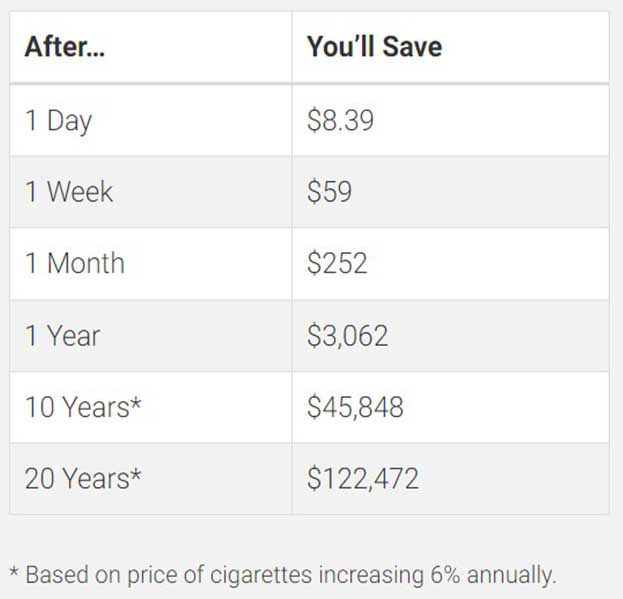
This chart shows the savings for someone who smokes a pack a day, using the average US price of $8.39 per pack.
Please know that while it’s not easy to quit, it’s probably not as difficult as you expect. You can do it!
I am more than happy to connect with anyone needing encouragement. Please feel free to drop me a line using the Contact form, email hello@hezhub.com, or leave a comment below.
I recently wrote about my experience with getting hit by a bus in 2008 and the recovery process that continues through today. I am using this mini-series to address various topics related to the incident, and this installment discusses what it was like to have a near-death experience (NDE).
Spoiler alert: No, my life did not flash before my eyes, nor did I see a light at the end of the tunnel. No feelings of serenity or deep understanding about the meaning of life or finding peace with my possible death. No sensations I’d quite describe as leaving my body either.
Despite the fact this easily could have been a fatal tragedy, maybe I just wasn’t close enough to death for the really juicy stuff to go down. It is probably debatable whether the situation was a true NDE considering that I stood up on my own two feet within a few minutes of the incident. To the best of my knowledge, I didn’t even lose consciousness unless it was for just a second or two between hitting the ground and moments later sitting up, feeling anxious to get myself out of the road. I certainly didn’t require CPR or anything nearly that serious.
That said, many definitions of NDEs don’t require flatlining. Instead, they are more generally described as traumatic, life-threatening situations in which a person is in serious harm’s way. This Scientific American article includes things like blunt traumas and significant falls.
“Several studies, including surveys of recently resuscitated hospitalized patients and a nationwide poll of the general population have estimated that near-death experiences are reported by 30%-40% of individuals who come close to death, or about 5% of the adult American population.”
Dr. Bruce greyson
Rather than get caught up in semantics, I’ll downgrade how I refer to it slightly as being a “(near-) near-death experience” ((N)NDE). I did, after all, get hit by a bus, which is the quintessential phrase used when folks reference how fleeting life is or how important it is to prepare for the possibility of death — because who knows, as the logic goes, any one of us could get hit by a bus tomorrow. This notion even lent itself to developing what is called the “bus factor” in workplaces, which is as a measurement of the risk resulting from information and functions not being shared among team members or having redundancy built in.
“A project’s bus factor (or truck factor) is a number equal to the number of team members who, if run over by a bus, would put the project in jeopardy.”
As far as NDE accounts go, the common experiences I can relate to are time slowing down, my thoughts speeding up, and an absence of pain.
I distinctly recall the gradual onset of the realization that the accident was about to happen. As I mentioned in Part 1, there were several points of observation about the bus’s location and speed. Once I noted its status of getting further into the turn without slowing down, I picked up the pace in an unsuccessful attempt to clear its path, which is when events suddenly began to unfold too quickly to avert the disaster I saw coming. The clarity of these recollections has far more depth and detail than what seems like should be possible given how quickly the situation evolved, as it doesn’t take more than a minute to cover one lane of traffic in a crosswalk.
As for the moment of impact, my recollections grow somewhat blurry. I vaguely recall the physical sensation of being struck on my left side and then a few jostling bumps as I hit the pavement on my right side. But when I sat up moments later, I was stunned to discover myself lying on the ground.
To an extent, I had no idea how I’d gotten there. My immediate response was fear because my instincts told me I was in an unsafe location and needed to get out of the road. I immediately sat up and began gingerly exploring standing until I heard someone shouting, “Don’t move! You’ve been hit by a bus!”
I had a tough time comprehending that the person was speaking to me. Still, the voice commanded so much intensity and authority that I gave up the effort to rise. I began to look around to get my bearings and observed the bus stopped several feet away, just beyond the end of the crosswalk, with its hazard lights flashing. The distance between myself and it later processed into the understanding that it struck me hard enough to knock me probably at least 12 feet or more beyond where I’d been walking.
Memory blanks like mine are common for accident and trauma victims. The brain is such a complex and fascinating part of our body; for an interesting read on the mechanisms that interplay in these types of situations, check out this Scientific American article, which notes that when “the mind and body enter a more alert but also more stressed state, [there are] trade-offs that can save your life, but harm your mind’s memory-making abilities.” Essentially, the same increase in adrenaline in my bloodstream that cued my potentially life-saving instinct to run a few steps before the bus hit me also likely prompted my brain to produce noradrenaline, which impeded the formation of a cohesive memory of the events.
The adrenaline also explains the remarkable absence of pain I experienced in the hour or so following the accident. This typical response to collisions and traumatic injuries arises because victims are in a chemically altered state due to the adrenaline spike instructing the body to release endorphins that act as natural painkillers and distract from the extent of pain.
Instead of focusing on potential injuries, I first worried about where my purse had gone; much like noticing I was on the ground and feeling unsafe instinctively, I likewise felt insecure realizing I didn’t have possession of this vital object and grew concerned as to whether it would make its way back to me. Following that thought was a random, absurd curiosity about where the cigarette was that I’d been smoking. I intently scanned the pavement for it. I don’t think I planned to retrieve or finish it; I just wanted to know where the heck it landed for some reason.
When a concerned couple who witnessed the accident informed me that an ambulance was on the way, I ill-advisedly insisted that I was fine and did not need medical care. In surveying myself, I only noticed a few scrapes that looked minor enough to deal with using rubbing alcohol and some Neosporin. As a broke young barista, the notion of ambulance and emergency room expenses was easily as problematic as the possibility that something I wasn’t yet aware of may be wrong.
Fortunately, that couple reasoned with me to at least get a once-over from the EMTs when they arrived. Then, while treating my road rash abrasions, the EMTs convinced me to accept a ride to the nearest emergency room. As all these folks suspected, my pain began to reveal itself shortly after my transport, so the ER team insisted on X-rays and several hours of monitoring.
At the time of my release, I walked away keenly aware of how fortunate I was. My ribs, the chief complaint that first day, were only bruised, not broken. I did not require a single stitch, and my cognitive functioning remained fully intact. What are the chances of getting hit by a bus and not having a concussion? Talk about being blessed, for real!
“Better to lose count while naming your blessings than to lose your blessings counting your troubles.”
Maltbie d. babcock
Other injuries made themselves known in the months and years that followed (coccydynia, reduced shoulder rotation, and two herniated lumbar discs), plus an array of other hardships like financial instability and trauma caused by several missed months of work. Despite my many difficulties, I still count myself the luckiest unlucky person I know.
If you’ve had an NDE or (N)NDE, I’m curious about your experience. Drop me a line using the Contact form, email hello@hezhub.com, or leave a comment below.












 hezhub.com